
Back to all blog posts

Most mid-size and enterprise employers use an HRA to fill the gaps their health plan leaves behind. GLP-1 medications, fertility treatment, mental health care, and medical travel are hard to cover well inside a single group plan, and rebuilding that plan to cover them is slow and expensive. A targeted HRA adds employer-funded support around the coverage you already offer.
Running that HRA at scale is the harder part. Your administration software has to apply IRS and plan rules to every transaction. It has to stay in sync with your HRIS and payroll as people join, change roles, and leave. And it has to let employees pay for care without fronting the cost. When it falls short, employees wait weeks for reimbursements, your benefits team fields support tickets, and finance struggles to reconcile spending at audit time.
That’s why two questions sit underneath every HRA buying decision. Will this platform keep our plan compliant? And how quickly will employees get their money?
This guide compares 12 HRA vendors on plan types, features, pricing, and user feedback. Then it gives you a framework for evaluating the software itself, so you can pressure-test any shortlist against how your plan actually runs day to day.
The table below compares each vendor's standout features, pricing, G2 score, and best-fit use case.
G2 scores at time of publication.
Benepass is a people-first platform built around flexibility. Instead of offering one-size-fits-none employee benefits, Benepass offers a wide range of pre- and post-tax plans that give people real choice. The Benepass HRA provides a pre-funded Visa card that employees can use to pay for high-cost medical expenses, including fertility treatments, gender-affirming care, or healthcare-related travel expenses.
HRA features
What users think
"Benepass makes managing employee benefits simple. We really value how easy it is to offer flexible benefits that employees actually use and the reporting features. The platform is clear and easy to navigate. Their team is always quick to respond and I love the quality of their support team." - Tristan O., a benefits analyst
Pricing
Benepass offers custom pricing based on your business size and requirements.
Why we chose them
Benepass is an employee-centric HRA vendor that lets you customize your plan around your people's needs. For example, you can set your HRA's eligible spending categories to target mental health, fertility treatments, medical travel, and more. That breadth is one reason employees like the platform, and its ease of use is another. A verified mid-market user explains, "Love that you can just submit past expenses for reimbursement through the app as well. This has been incredibly useful for me."
Benepass also scores well with the G2 software community, holding a rating of 4.8 out of 5 at the time of publication.
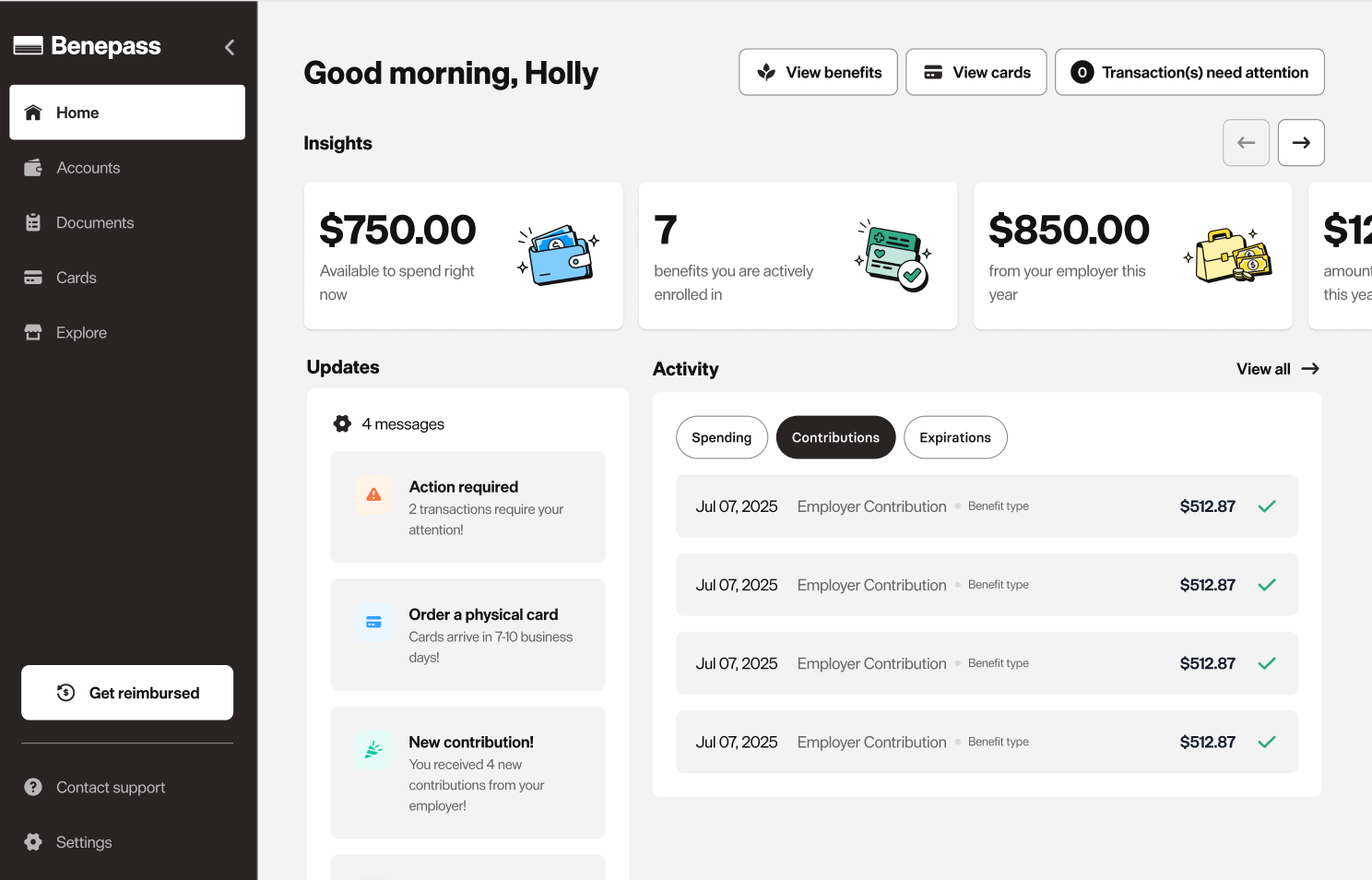
PeopleKeep is a health benefits provider aimed at small employers. Its HRA administration software is powered by Remodel Health and offers ICHRAs, QSEHRAs, and group coverage HRAs.
HRA features
What users think
"I like the ease of getting my questions in a very timely/knowledgeable timeframe. The customer service (Angela Light) and her team are very efficient and friendly." - A small business user
"The pages are sometimes slow to load and there have been instances where features were temporarily unavailable." - A financial services user
Pricing
Pricing depends on the type of HRA you're offering:
Why we chose them
PeopleKeep specializes in HRAs for small businesses, so if you have fewer than 50 employees, it's worth a look. It also offers in-house teams to help organizations make the right plan decisions for their people and generate the plan documentation they need to stay compliant.
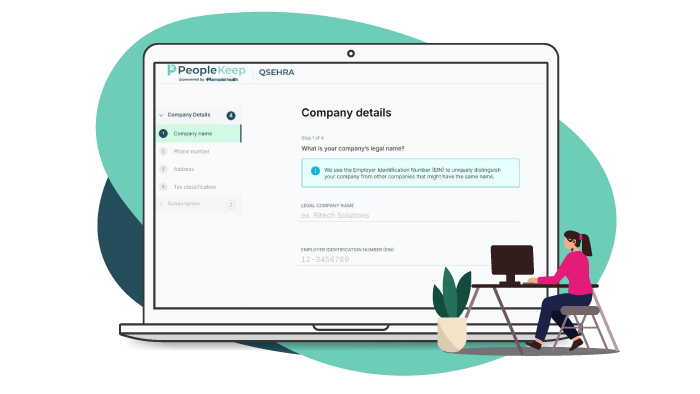
HealthEquity is an established name in the market that also rewards employees for staying healthy.
HRA features
What users think
"HealthEquity's phone customer service is superb. Anytime that I have had to call and ask questions, they always picked up and were able to walk me through the process. HealthEquity's web page is not the most user friendly. You have to learn and call to ask questions." - Jennifer H., a human resources consultant
Pricing
Accurate quotes are available on request.
Why we chose them
HealthEquity's Health Incentive Account works alongside the HRA, so employers can reward workers for positive habits like meeting fitness goals, quitting smoking, or eating well.
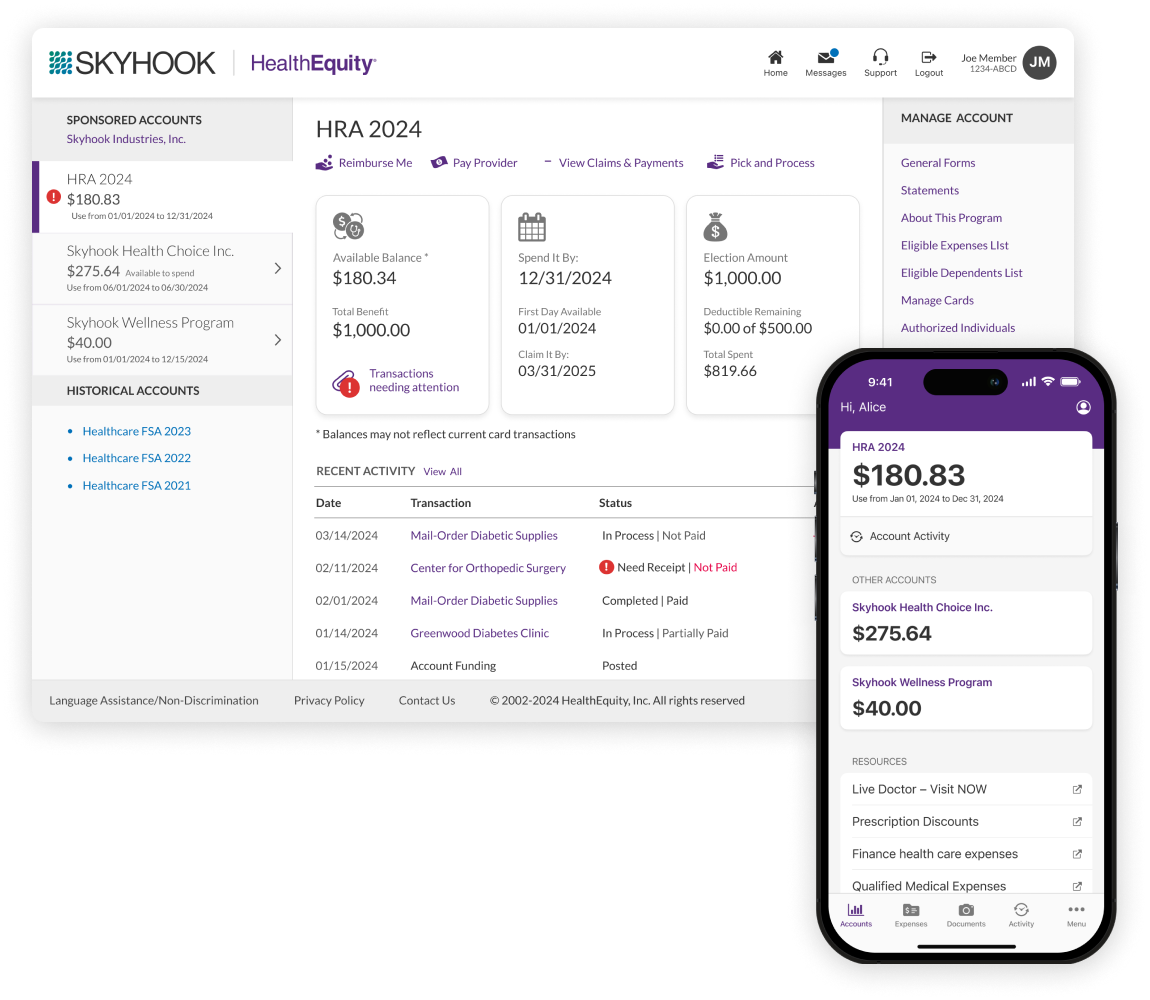
Take Command's founder launched the company when he and his wife were surprised by a twin pregnancy and needed affordable healthcare coverage. A decade later, Take Command's software helps companies design compliant, custom ICHRA and QSEHRA plans.
HRA features
What users think
"Our enrollment specialist was a rockstar. Got us onboarding and rolling fairly quickly. The dashboard is easy to navigate and makes administering health benefits easy. The reimbursement process was a little confusing at first, but support helped us figure it out." - Troy C., a small business CEO
Pricing
Take Command splits pricing into two categories:
Why we chose them
Take Command is a great fit for small businesses, and it also offers ICHRAs designed to help applicable large employers (ALEs) meet the employer mandate.
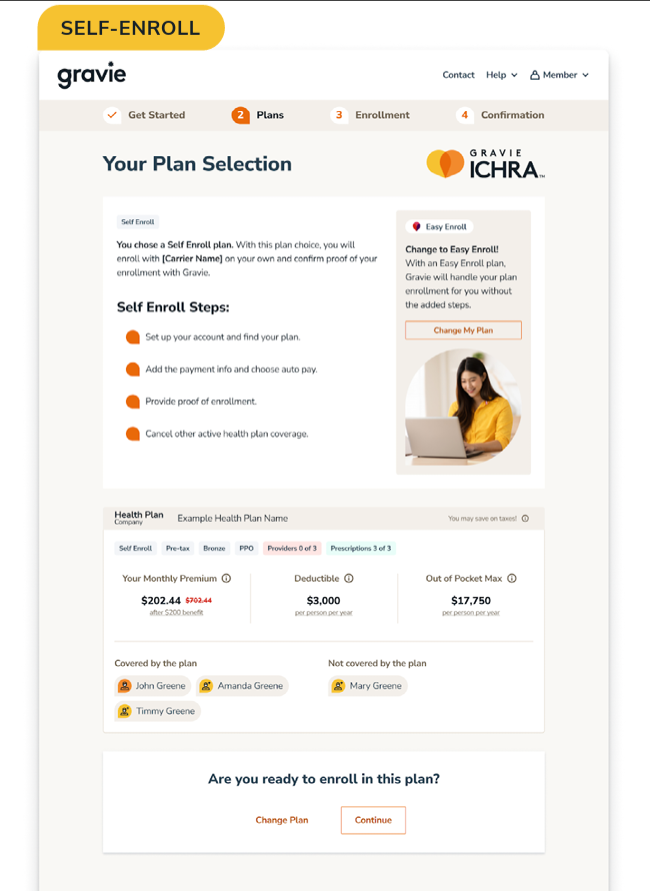
Gravie serves small and midsize businesses with three main options: Gravie CHOICE, its ICHRA (formerly Gravie ICHRA); level-funded group plans; and Gravie Edge, a hybrid model that combines approaches across employee segments. It also offers Gravie Pay, interest-free financing for out-of-pocket expenses.
HRA features
What users think
"Our employees like the fact that they can choose from more than 2-3 health plans, and have the option of contributing more towards their plan if they wish. My advice to any employer looking at an ICHRA? Gravie is the best option." - Mari Garcia, Human Resources at Bille Bus
"Impossible to get ahold of them. They consistently underpaid my premium after my son was born and I had to add him to our insurance." - Riley G., a Gravie member
Pricing
Accurate pricing is available from the vendor on request.
Why we chose them
Gravie has helped employers move workers to the individual market since 2013, well before ICHRA rules took effect in 2020. It positions CHOICE as a full-service program rather than software alone, which suits employers that want hands-on help with the transition. Its hybrid Edge option also gives employers a middle path between group coverage and ICHRA.
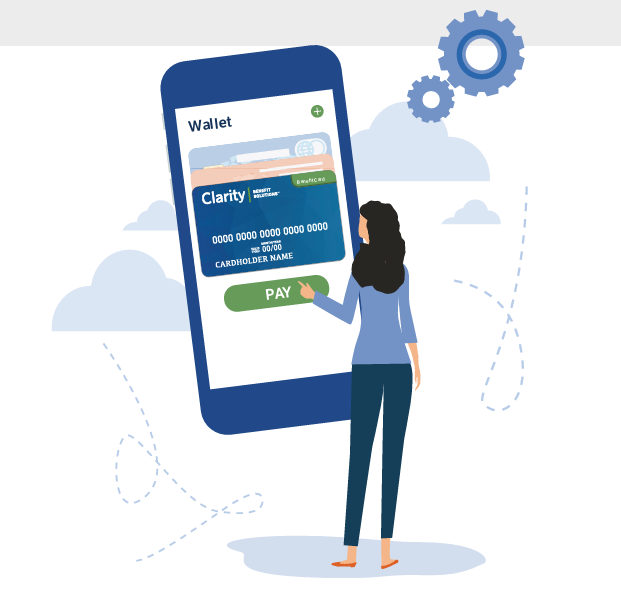
Clarity Benefit Solutions is a trusted name in employee benefits, offering HRA solutions for organizations of all sizes. Its platform gives employers solid tools to manage HRAs while keeping the experience simple for employees.
HRA features
What users think
"Clarity Benefit Solutions is highly adept at distributing and monitoring our company's employee benefits. Technologically advanced, personable staff, and a dedication to providing a cutting-edge service and product are hallmarks of this company." - Yotam, a Clarity user
"I find navigating the Clarity platform generally confusing and not user-friendly... When I log into my account otherwise, it always takes me a little while to get situated and find what I'm looking for." - Eden K., a state legislative affairs associate
Pricing
Accurate pricing is available from the vendor on request.
Why we chose them
Clarity's platform connects with existing HR and payroll systems, and its emphasis on security and compliance, paired with user-friendly tools, makes it a reliable choice for businesses looking to tighten up benefits management.
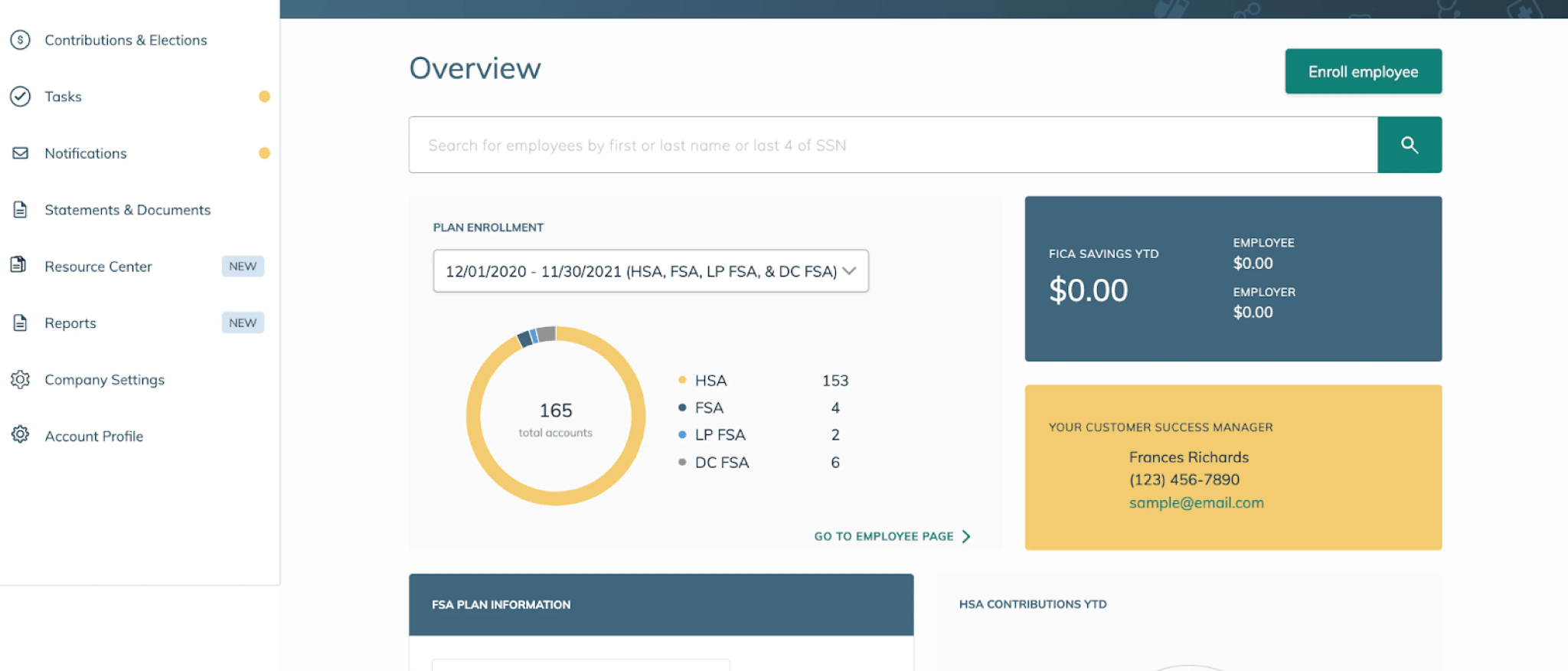
Lively offers modern health benefit accounts designed for flexibility and ease of use. Known for its clean interface and transparent pricing, Lively supports FSAs, HRAs, and HSAs, making it a solid choice for employers that want one benefits experience.
HRA features
What users think
"Lively is easy to use... I've had to submit receipts for reimbursement when I wasn't able to use my card and... I received the money back quickly." - Samantha M., a mid-market user
"I wish there were a more robust integration with our HRIS/ben admin system that includes automatic recognition of payroll contributions, terminations, and enrollments. Outside of OE the process is manual for adding, terminating, and uploading contribution files." - Kimber H., Director of People Operations
Pricing
Transparent pricing is available for individuals, families, and businesses.
Why we chose them
Lively pairs easy-to-use technology with a strong compliance foundation. Its dashboard and automation tools make administration easier for employers, and employees get a low-friction experience submitting claims and managing benefits.
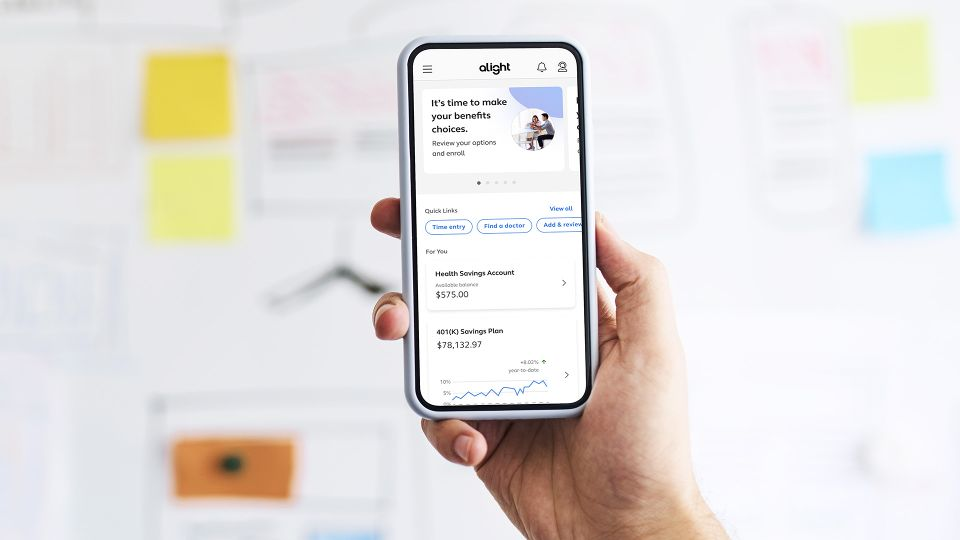
Alight Solutions is a global benefits technology provider offering tailored HR and health solutions. Its HRA capabilities are built into the Alight Worklife platform, which brings benefits management and employee wellbeing together in one place.
HRA features
What users think
"Alight Solutions has a highly skilled and experienced team coupled with an incredible training program that helps to keep employees highly motivated. It helps our staff to plan and manage their finances and wellbeing better." - Oliver R., a small business user
"My least favorite feature is the bugs; it is slow at times and there are a few bugs that can be frustrating, but nothing that makes it impossible to use." - Samir, a sales representative
Pricing
Accurate pricing is available from the vendor on request.
Why we chose them
Alight stands out for its enterprise-scale integrations and deep analytics. It's ideal for large organizations that want one benefits platform connecting HR, payroll, and wellbeing initiatives.
Navia Benefit Solutions is a benefits administrator focused on configurable plan designs, participant education, and a broad service footprint. Its HRA offering serves employers that need flexible plan designs backed by strong service and technology.
HRA features
What users think
"Helps keep track of benefit elections for employees with an easy to use portal." - A computer industry user
"The app is oversimplified and does not provide great direction into your statement." - An IT industry user
Pricing
Accurate pricing is available from the vendor on request.
Why we chose them
We selected Navia for its operational track record and its ability to handle complex plan designs without sacrificing simplicity for users. For employers managing multiple reimbursement accounts or heavy compliance demands, Navia's structure and service depth make it a dependable partner as plans grow more complex.
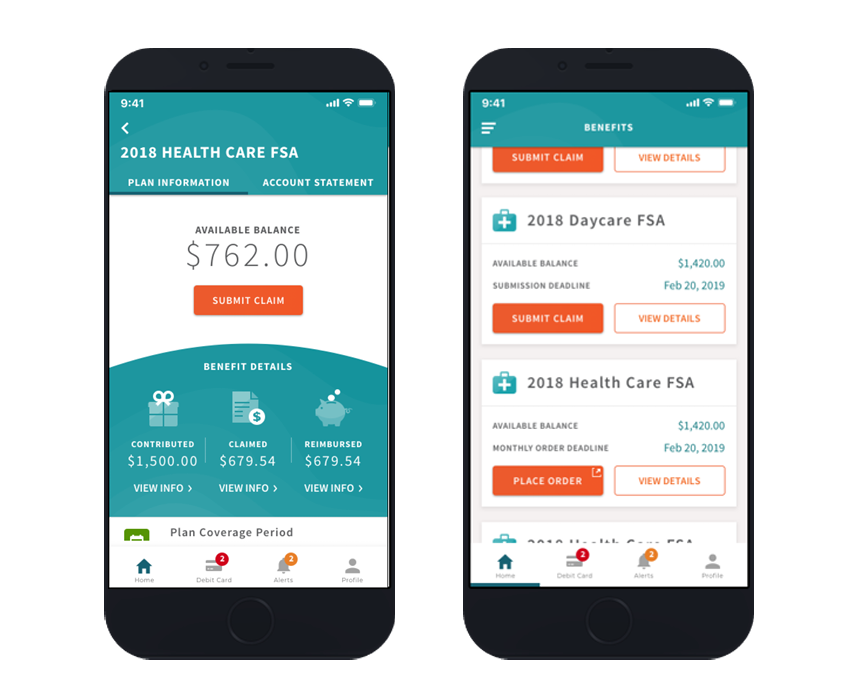
WEX Health is a well-established player in benefits administration, with experience in HRAs and other reimbursement programs. The platform supports multiple HRA types, a large integration network, and analytics tools, making it a solid option for organizations that need scale, flexibility, and visibility.
HRA features
What users think
"It's incredibly easy and user-friendly to navigate... While the dashboards are great for seeing your balance, I wish it was easier to find documents and forms such as end of the year tax records." - A computer software industry user
Pricing
Accurate pricing is available from the vendor on request.
Why we chose them
WEX Health's support for multiple HRA plan designs gives it flexibility for complex needs. Its integrations and analytics also make it a go-to choice for employers that want insights from benefits data, and positive user feedback on usability gives confidence in the everyday experience.
Zizzl Health specializes in ICHRA administration, giving employers a way to offload rising insurance cost risk while giving employees choice and control. Its platform is built to make that transition smoother, with tools that guide employees through plan selection, simplify reimbursements, and support ACA compliance.
HRA features
What users think
"We didn't really have the knowledge or ability to give all of our employees the information they needed to select the right plans. There was a lot of hand holding on our end, too. Zizzl really walked us through it and put it all in layman's terms for those of us who didn't know the benefits side." - Justin Dahm, VP of Finance at Milwaukee Cylinder
Pricing
Accurate pricing is available from the vendor on request.
Why we chose them
Zizzl Health is one of the more modern, tech-forward ICHRA tools, with a focus on both employer cost control and employee choice. Its decision support and carrier breadth improve the odds that employees find plans that suit their individual needs.
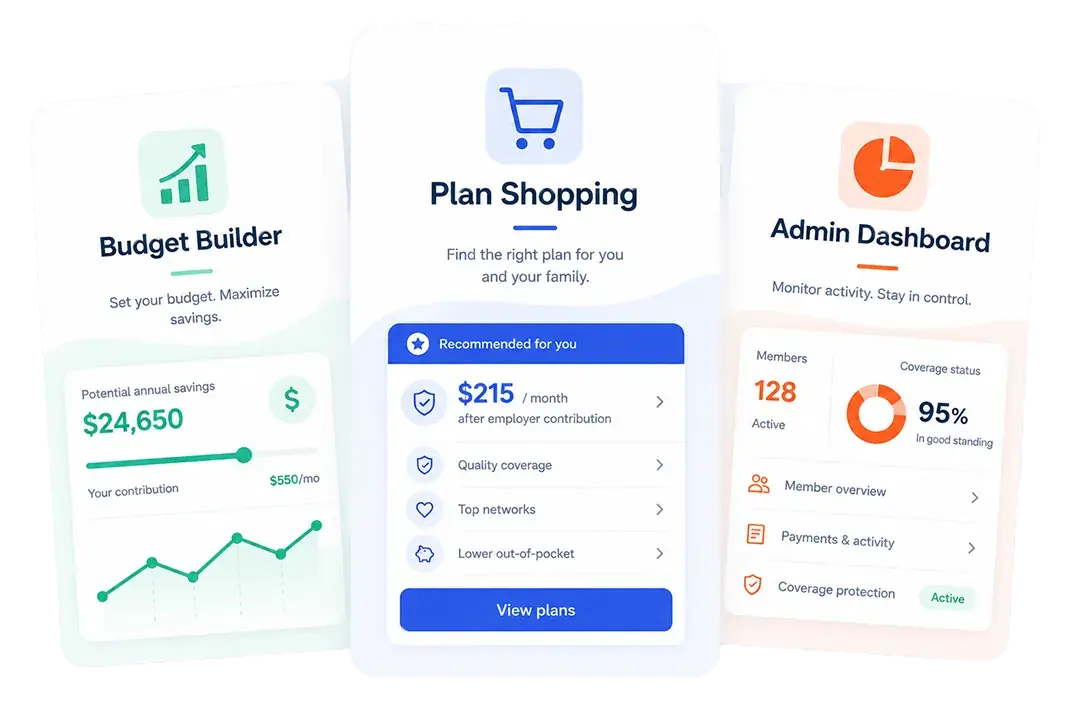
Paychex is a well-known HR and payroll provider that also offers HRA administration as part of its broader suite of benefits services. Its solutions are designed to scale, serving both small businesses and large enterprises.
HRA features
What users think
"I love the new benefits Paychex has added which allow employees to choose additional support and services like pet insurance." - Deb K., an executive director
"Some features take a bit of time to learn or feel a little clunky at first." - April C., a project manager
Pricing
Accurate pricing is available from the vendor on request.
Why we chose them
Paychex brings HRA administration into its established HR suite, simplifying processes for businesses already using its payroll and HRIS tools. That all-in-one approach makes it a convenient choice for organizations that want a single vendor for multiple HR functions.
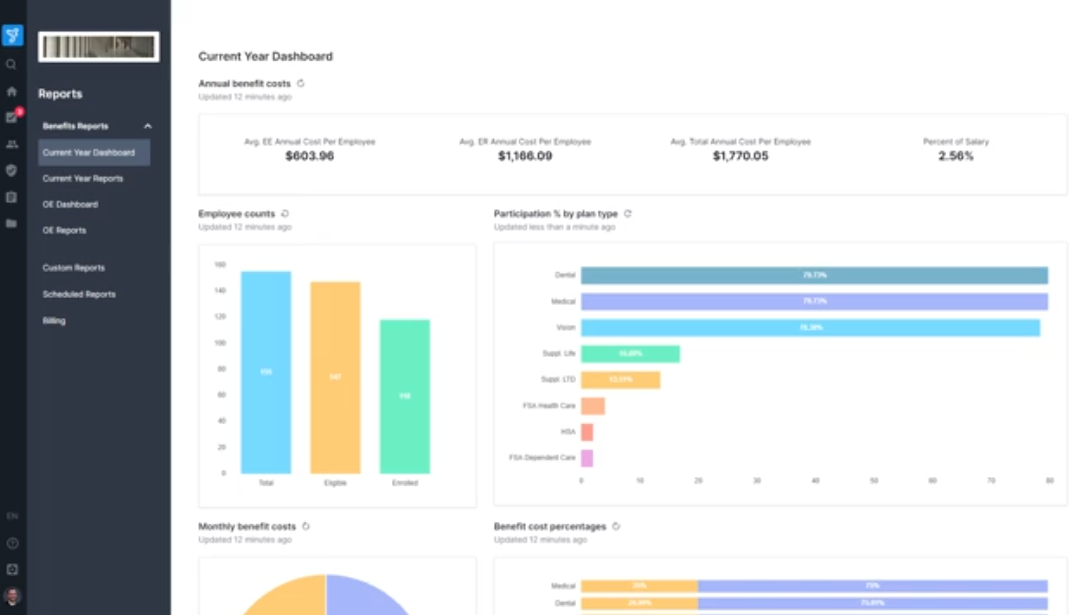
The 12 vendors above made the cut based on several key factors, including HRA plan type, business size fit, technology, customer service, and compliance expertise. Some excel in specific areas. One might offer standout tech features, for example, while another provides exceptional hands-on support.
We also looked at the software itself, not only the company behind it: how well each platform automates compliance tasks, how quickly employees get reimbursed, and how cleanly it connects to your HRIS and payroll. Each vendor brings its own strengths, and the best choice depends on your organization's size, goals, and preferred plan type.
A vendor list shows you who's in the market, but the harder question is how each platform performs once your plan is live. Use these four criteria to score any shortlist, including the vendors above.
Start with the plan you want to run, then find software that can run it. That sounds obvious, but many platforms support only one or two HRA types well. If you plan to offer an ICHRA to hourly staff and a group coverage HRA to salaried staff, confirm the software handles both classes cleanly.
Ask each vendor to show you how it handles:
Budget flexibility matters because HRA spending varies widely. According to the 2026 Benepass Benchmarking Report, employers that offer an HRA contribute an average of $5,000 per year, with a median of $3,400. That gap shows how differently employers size their plans, and your software should let you set the number that fits your workforce. If you want to support health spending with fewer rules attached, healthcare stipends are a taxable, simpler alternative.
Compliance is where HRA mistakes get expensive, so treat it as a pass-or-fail test. Each HRA type carries its own rules, and good software enforces them automatically instead of leaving them to a spreadsheet.
A few examples of what your platform should track:
Also ask whether the vendor drafts and maintains your plan document and summary plan description, and whether it updates them when IRS limits change each year. The best platforms handle this without you having to ask.
An HRA only works if employees use it. The same Benepass benchmarking report finds that HRA engagement averages 56%, which means more than four in 10 eligible employees still aren't using their funds. The reasons are usually practical: employees don't know what's covered, or they don't want to front the cost and wait to be paid back.
Reimbursement speed is the biggest lever here. With a traditional HRA, an employee pays out of pocket, uploads a receipt, waits for review, and then waits for payment. A card-first HRA removes most of those steps because the employee pays at the point of care with pre-funded money. That matters because most HRA dollars are spent right at the point of care. Benepass's benchmarking data shows doctor's office visits account for 50% of HRA spending and hospital expenses account for another 25%. Those are exactly the visits where an employee would otherwise have to pay up front and wait.
When you evaluate the employee side, check:
HRA software rarely stands alone. It needs to share data with your HRIS, payroll, and benefits administration software so eligibility, enrollments, and terminations stay in sync. When those feeds break, employees get declined cards, and your team gets support tickets.
Ask vendors which connection types they support, such as API, SFTP, or Workday RaaS, and how they catch bad data before it reaches employees. Reporting matters for tax purposes too. For example, employers must report QSEHRA benefits on employees' Forms W-2 in Box 12 using code FF (IRS W-2 instructions), so your platform should hand payroll clean, accurate figures.
The strongest HRA software removes a tradeoff many HR teams assume they have to accept: tight compliance usually means more friction for employees, and an easy experience usually means more risk for the employer. The right platform delivers both.
Benepass does that on one card. Employers define eligibility rules for targeted HRAs, and the Benepass team processes transactions and reimbursements to validate eligibility, which keeps employees' medical information more private and takes review work off your People and Finance teams. Employees pay with a pre-funded Visa card instead of waiting to be paid back, and payroll integrations enroll the right people automatically. The same card and app also support HSAs, FSAs, and lifestyle spending accounts, so your HRA can sit alongside your other pre-tax spending accounts instead of adding another vendor.
Book a demo to see how one card and one dashboard handle eligibility rules, reimbursements, and compliance for your HRA, without juggling multiple vendors.
A health reimbursement arrangement (HRA) is an employer-funded plan that reimburses employees, tax-free, for eligible medical expenses and, depending on the plan type, health insurance premiums. Common types include:
Typically, the process works like this:
With a card-based HRA, employees pay directly with HRA funds at the point of purchase, which shortens or skips steps three through five.
The process above eats into your team's time if you run it manually. HRA software helps you:
An HRA vendor is a company that provides software, services, or both to help employers administer their HRA plans. Some vendors specialize in specific HRA types, like ICHRAs or QSEHRAs, while others support every type of health reimbursement arrangement.
Among the vendors on this list, three stand out for QSEHRA administration:
QSEHRA buyers are often first-time benefits buyers. The HRA Council found that 93% of employers newly offering a QSEHRA in 2026 previously offered no health coverage at all. If that's you, prioritize a provider that handles the written notice, annual limit updates, and proof-of-coverage checks for you.
Start with the four software criteria above, then round out your evaluation with these factors:
