
Back to all blog posts

Most LSA vendors look similar at first glance. They all promise flexibility, global coverage, and easy administration.
In practice, the differences show up quickly, especially in compliance, reporting, and how employee data is handled. Not every vendor meets the same standards for protecting sensitive information or maintaining up-to-date certifications, and those gaps often only surface during implementation or audit reviews.
The wrong choice creates more manual work, limits engagement, and introduces risk your team has to manage later.
This guide compares the top LSA vendors and highlights the differences that matter most so you can make a confident decision.
LSA vendors are specialized platforms that help employers fund and administer flexible, post-tax benefit programs. Unlike traditional benefits providers that focus on insurance products and pre-tax accounts, LSA vendors are built specifically for discretionary spending benefits, giving employees a funded account they can use across categories like wellness, professional development, family care, and home office expenses.
Modern LSA vendors use fintech infrastructure to deliver card-based spending solutions. Instead of employees paying out of pocket and waiting for reimbursement, they use a physical or virtual card that automatically enforces your policy rules at the point of sale. This reduces administrative overhead, eliminates manual receipt review, and gives employees immediate access to their funds.
Use this comparison as a starting point to find the right LSA fit. Each vendor is evaluated on essential criteria like compliance, platform capabilities, global support, and user experience.
Best for: Mid-market and enterprise organizations prioritizing compliance, global scale, and card-based benefits delivery
Overview:
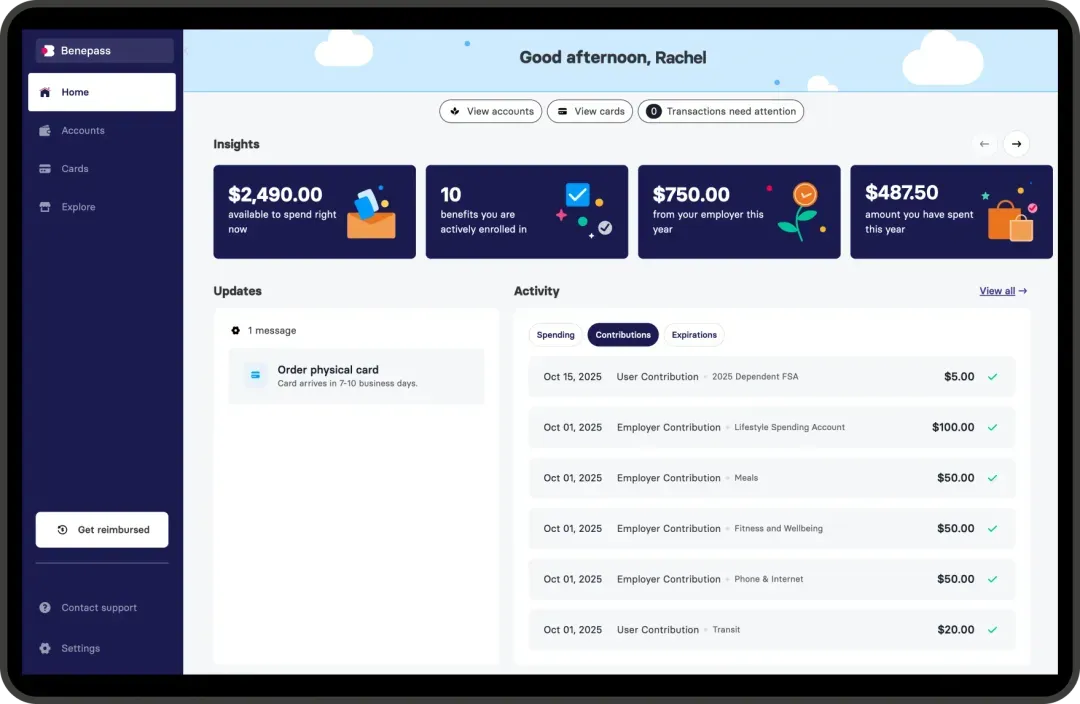
Benepass is a fintech platform built specifically for lifestyle spending accounts, supporting customizable employee benefits across wellness, food, and professional development.
Key strengths:
What to consider: May be more robust than needed for smaller teams with simple stipend programs.
Best for: Small to mid-sized companies looking for flexible stipends with a simple reimbursement model
Overview:
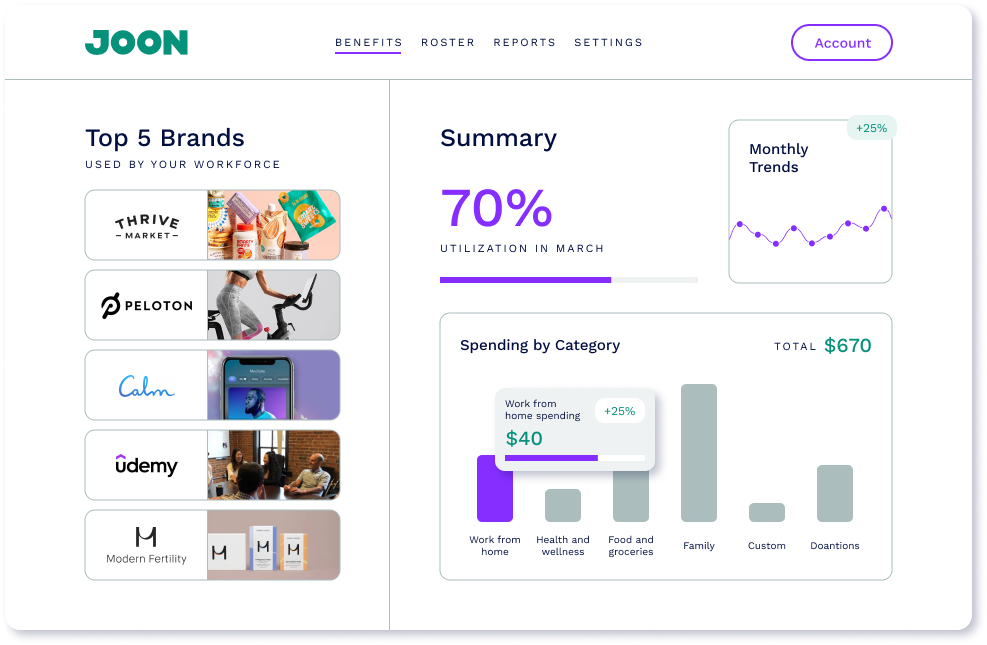
Joon offers employer-funded accounts with broad category coverage, including subscriptions and home office expenses.
Key strengths:
What to consider:
Best for: Enterprises managing complex benefits across multiple carriers
Overview:
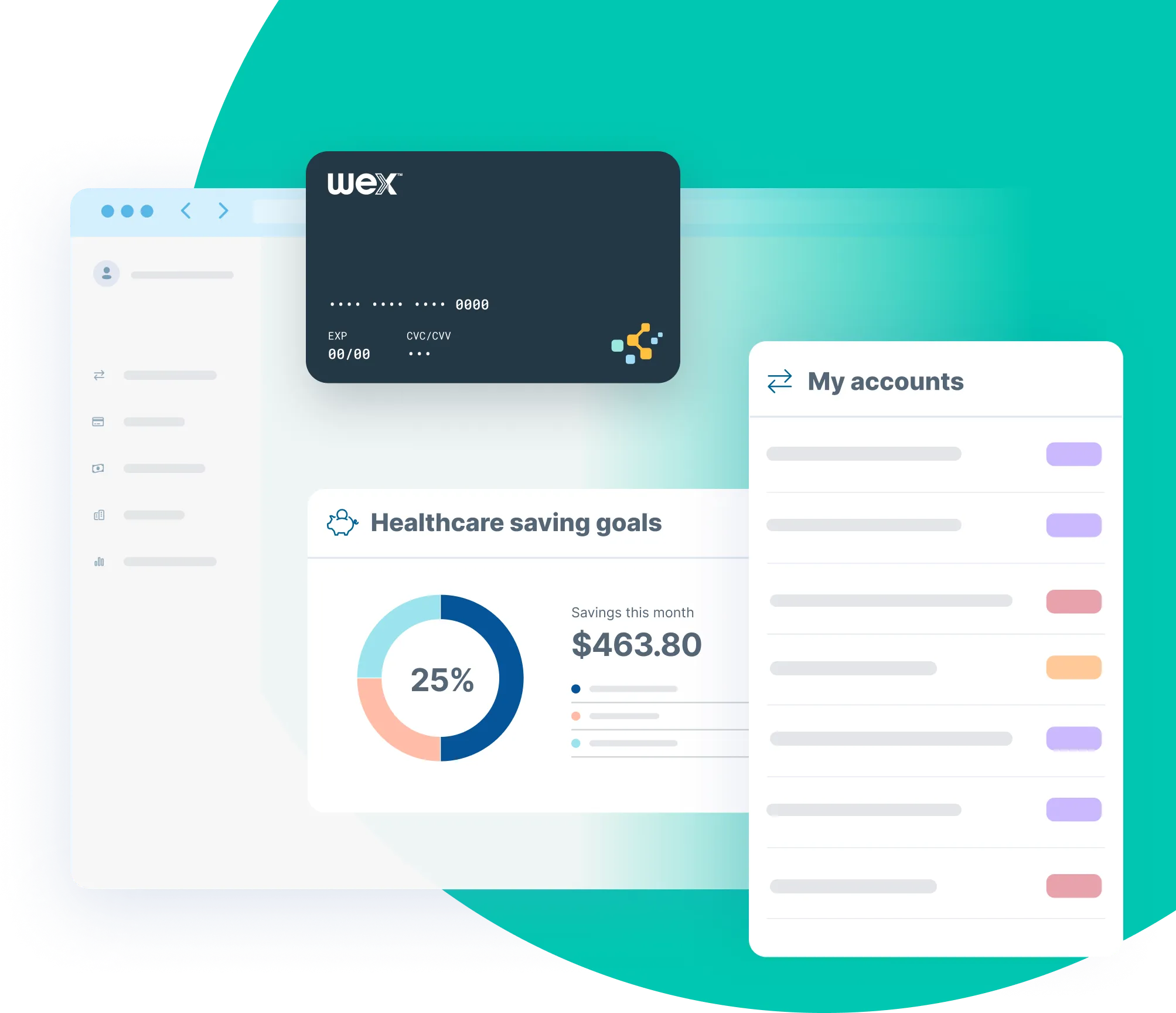
WEX is a large benefits and payments platform with extensive integrations across payroll, HRIS, and insurance carriers.
Key strengths:
What to consider:
Best for: Organizations that prefer a curated vendor marketplace
Overview:
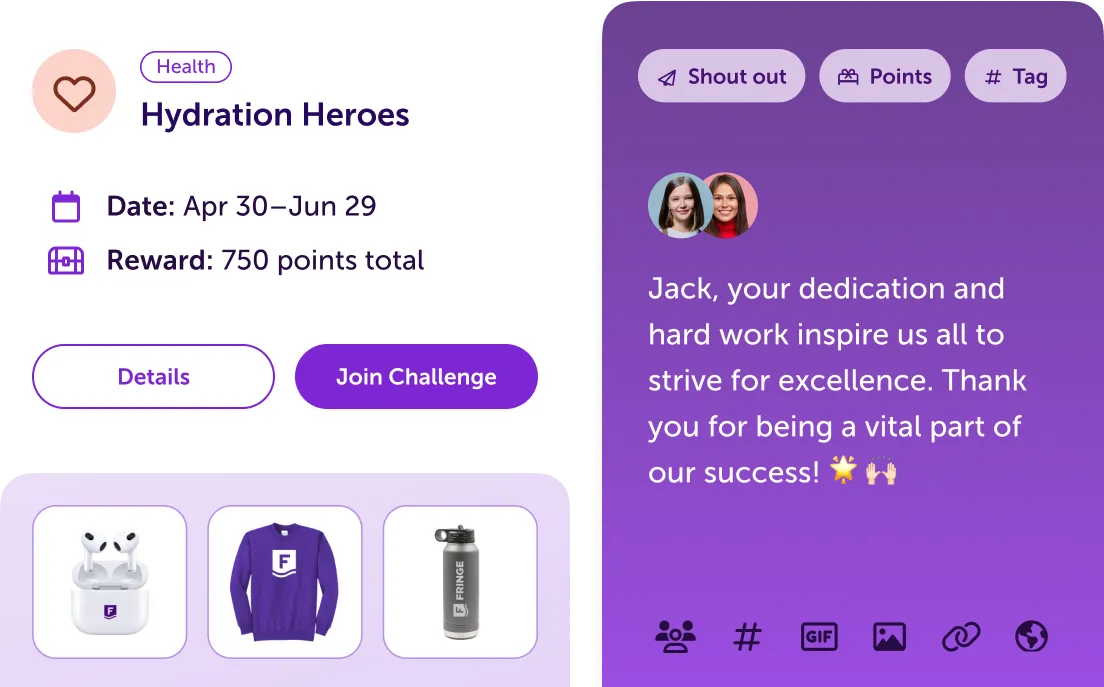
Fringe provides a marketplace of 120+ vendors where employees redeem points for specific services.
Key strengths:
What to consider:
Best for: Global organizations seeking benefits, plus engagement and recognition tools
Overview:
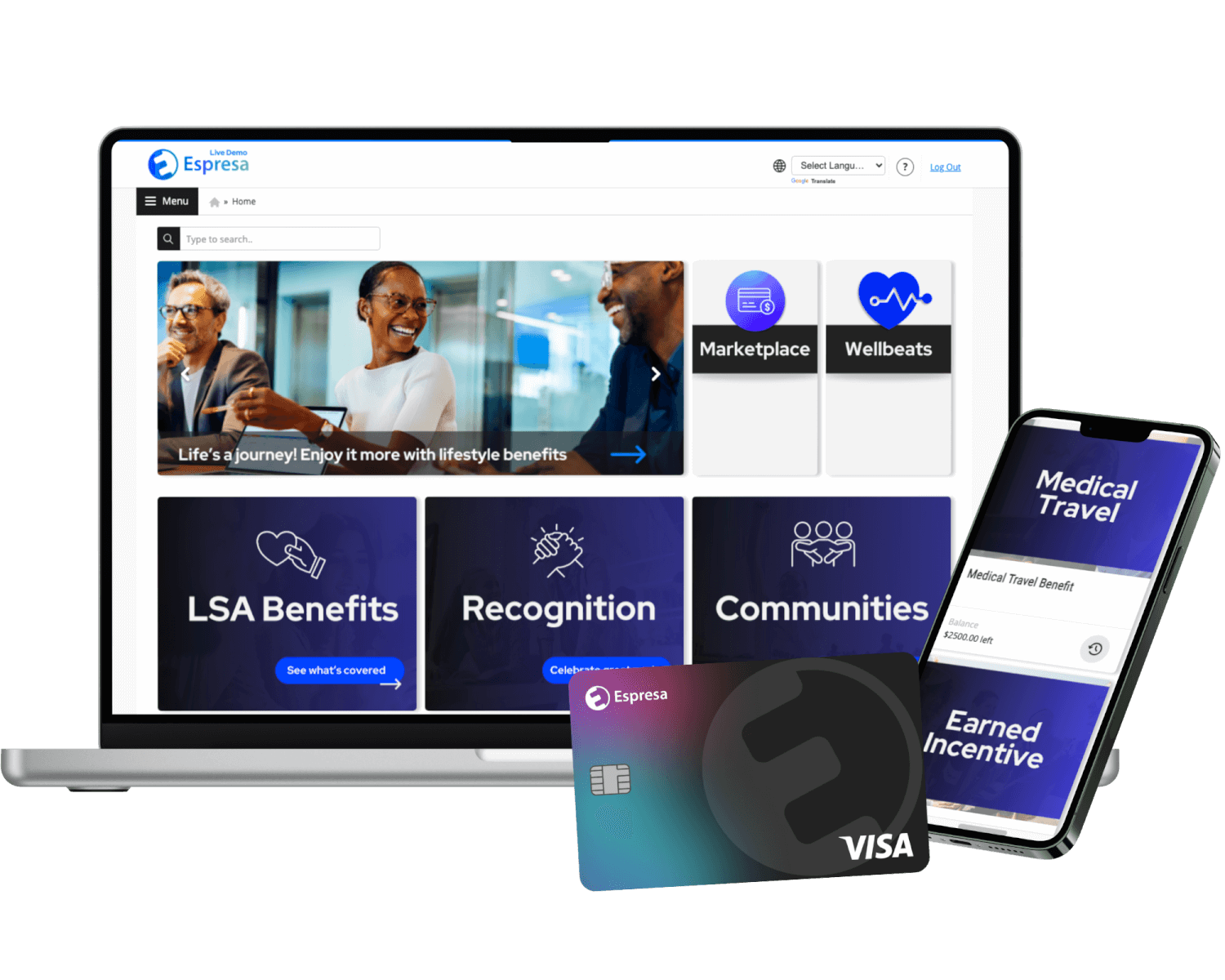
Espresa combines LSAs with community, recognition, and well-being features.
Key strengths:
What to consider:
Best for: Companies focused on wellness programs and employee engagement initiatives
Overview:
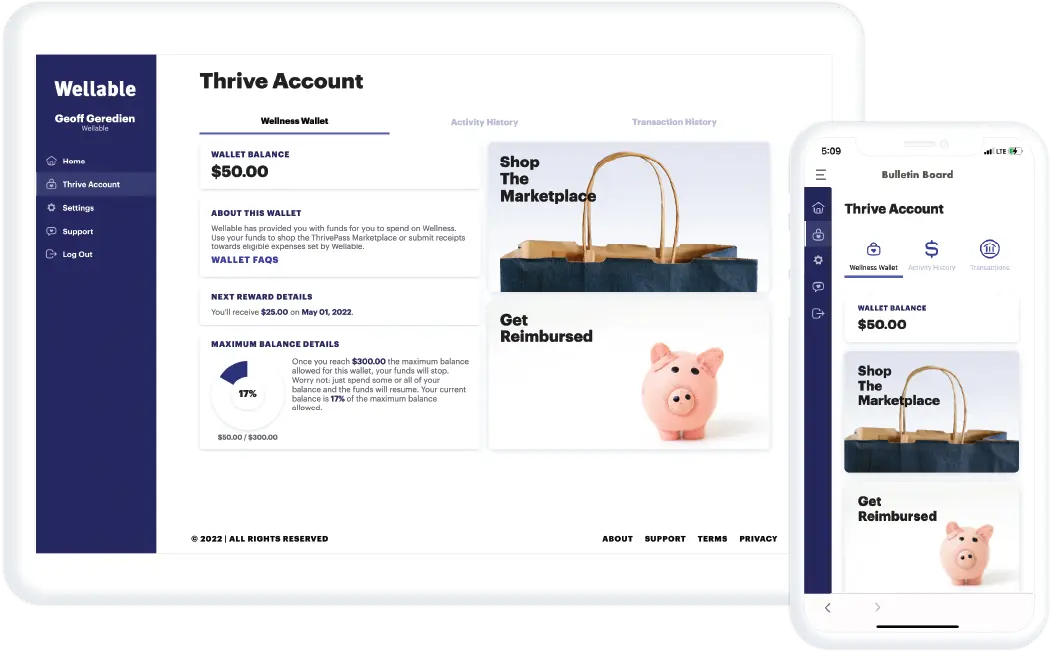
Wellable offers LSAs tied to wellness programs, including challenges and health initiatives.
Key strengths:
What to consider:
Best for: Organizations looking to consolidate flexible spending accounts (FSAs), health savings accounts (HSAs), and LSAs with one provider
Overview:
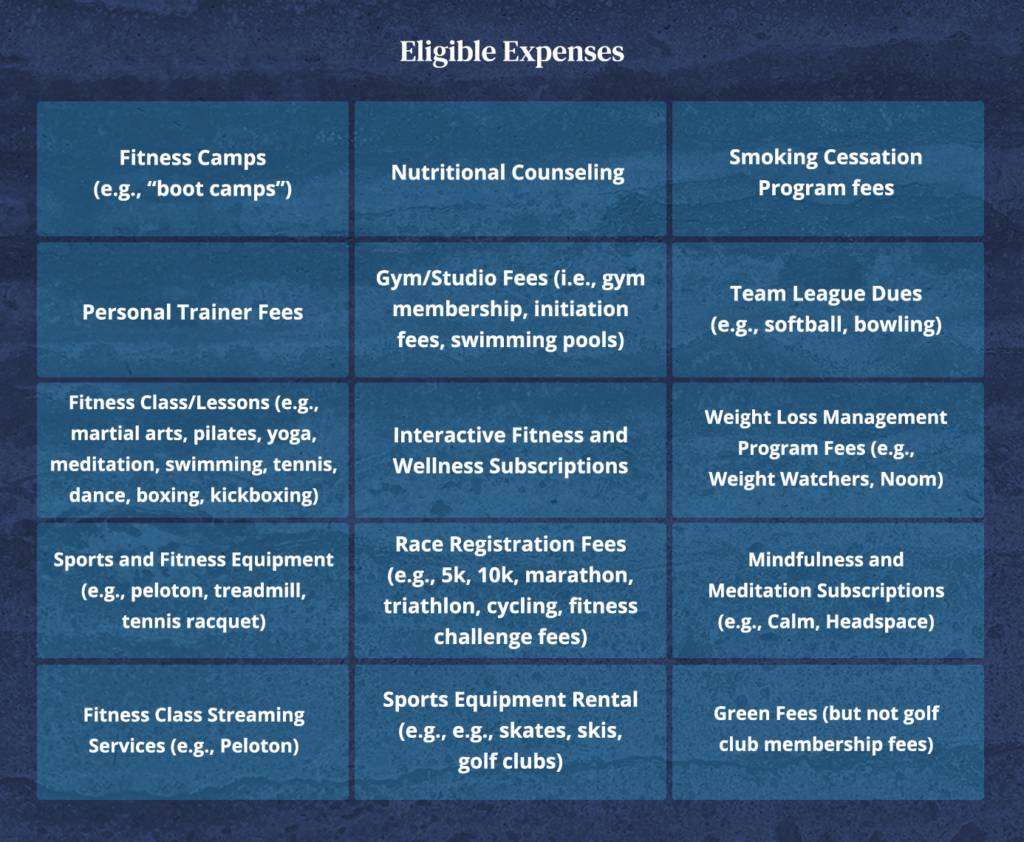
Ameriflex is a traditional benefits administrator expanding into LSAs.
Key strengths:
What to consider:
Best for: Large organizations seeking global coverage and configurable programs
Overview:
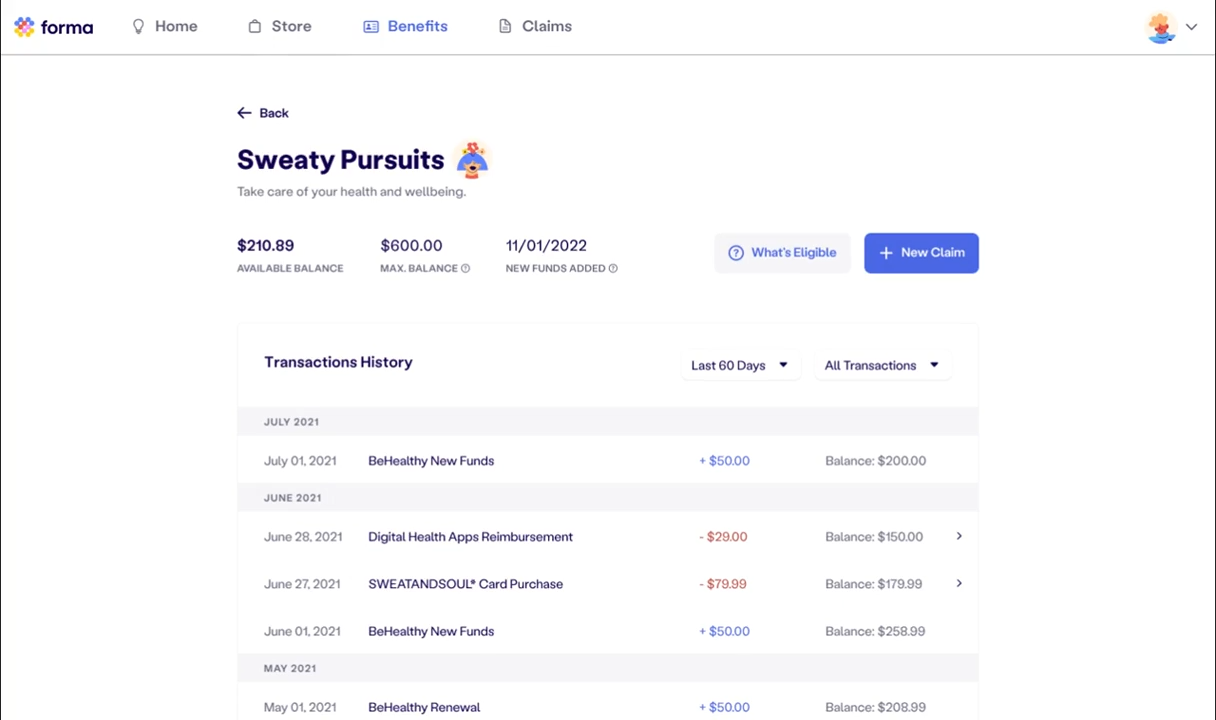
Forma provides LSAs and stipends through a global Visa card with configurable rules and categories.
Key strengths:
What to consider:
Best for: Enterprises already using Optum as a health benefits solution
Overview:
Optum offers LSAs alongside a broader suite of health and financial services.
Key strengths:
What to consider:
Best for: Organizations combining LSAs with rewards and recognition programs
Overview:
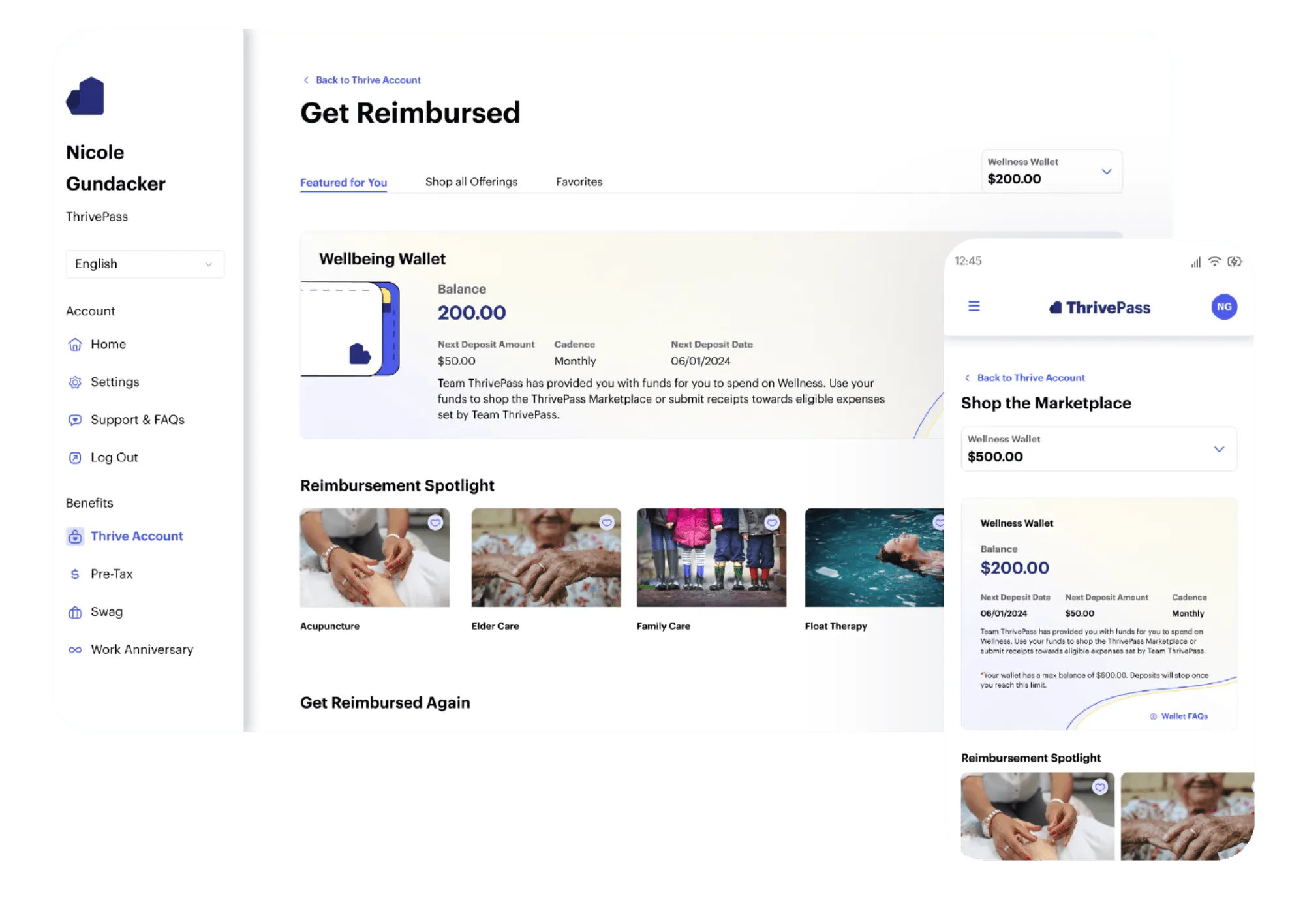
ThrivePass integrates lifestyle benefit offerings with employee engagement and recognition tools.
Key strengths:
What to consider:
Most LSA vendors will look similar at a glance, but the differences that matter become clear during evaluation. At enterprise scale, the decision comes down to four factors: compliance depth, integration flexibility, total cost of ownership, and the vendor’s track record with organizations like yours.
Benefits data is sensitive data. Your LSA platform will handle employee health information, financial transactions, and personal spending patterns, all of which require rigorous protection. Three certifications should be on your evaluation checklist for every vendor.
During vendor evaluation, request current audit reports, verify certification dates, and ask how frequently the vendor undergoes re-certification. A vendor that can't produce recent documentation quickly is a red flag.
The right integrations eliminate manual work and keep your benefits data accurate. Go beyond asking whether a vendor "integrates with Workday" and dig into the specifics.
Ask vendors for documentation on API rate limits, data field mappings, and how often they update pre-built connectors to keep pace with HRIS provider changes. A platform that integrates well today but lacks a maintenance track record can create technical debt as your systems evolve.
Platform fees are only part of the cost. To calculate the true total cost of ownership, account for setup fees, per-employee-per-month charges, card replacement costs, transaction fees, and what level of support is included versus billed separately.
Then factor in the administrative time your team currently spends on benefits management. If your reimbursement process takes 20 hours per month and a card-based LSA platform reduces that to 2 hours, you're recovering 216 hours annually. At a fully loaded HR cost of $75 per hour, that's $16,200 in reclaimed capacity before you measure any engagement improvement.
However, higher participation rates mean your benefits budget is actually reaching employees rather than going unused. According to the 2026 Benepass Benchmarking Report, employers see 75%–85% or more employee engagement with LSAs, versus 10%–15% with traditional benefits. So build both the cost savings and the engagement lift into your ROI model when presenting the business case to leadership.
For a structured approach, see our guide on LSA ROI calculation.
By the time you’re comparing final candidates, your decision should come down to a few critical factors. Most enterprise teams find that three areas set strong vendors apart from the rest: compliance certifications that meet your data protection requirements, an integration architecture that aligns with your existing HR systems, and a track record of supporting organizations at your scale.
Anchor your evaluation in how the platform performs in practice, not just how it’s presented. Request demo environments where your team can test the admin experience, run reports, and process transactions. Speak with reference customers who match your employee population and geographic footprint. Confirm implementation timelines are realistic. Most enterprise deployments take four to eight weeks when data validation and compliance setup are handled properly.
For organizations with strict data protection requirements, vendor differences become more pronounced. Benepass offers SOC2 Type 2, GDPR, HIPAA, and HITRUST compliance, along with a card-based model that reduces manual work and improves accuracy. Its infrastructure supports more than 400,000 employees across 80+ countries, with a 98% client retention rate.
If you’re evaluating vendors, it’s worth seeing how these differences show up in real-world use cases. Request a demo to review your requirements, explore reporting, and understand how the platform would operate within your existing systems.
Start by identifying the problems you need to solve. If you’re managing multiple point solutions, processing manual reimbursements, or seeing low engagement with existing benefits, an LSA platform can consolidate those programs and reduce administrative work.
From there, evaluate vendors against the criteria that matter at scale: compliance coverage, integration with your HR and payroll systems, total cost of ownership, and their track record with organizations like yours. The right fit should align with your workforce size, geographic footprint, and data protection requirements.
For enterprise buyers, SOC2 Type 2, HIPAA, and HITRUST certifications are the baseline. SOC2 Type 2 confirms ongoing independent audits of security controls. HIPAA compliance is essential if your LSA touches health-related spending categories. HITRUST combines multiple regulatory requirements into a single rigorous framework. Always request recent audit reports and verify certification dates, as outdated certifications may indicate gaps in ongoing compliance investment.
Most LSA vendors complete setup in two to six weeks, covering policy configuration, payroll and HRIS integration, employee enrollment, and card distribution. Vendors with automated enrollment and pre-built integrations can compress this timeline. For organizations with complex approval workflows or legacy systems, plan for the longer end of that range and build buffer time for testing and employee communication.
Benepass is typically the stronger choice for organizations that prioritize compliance, audit readiness, and reducing administrative overhead. It offers SOC2 Type 2, HIPAA, HITRUST, and GDPR compliance, along with a card-based model that automates policy enforcement and reduces manual work for HR teams.
Forma supports employees across the globe and offers configurable benefits programs, but publicly available compliance documentation is less comprehensive and may require additional validation for regulated industries.
For most enterprise buyers, the decision comes down to this:
In most enterprise evaluations where compliance and audit requirements are critical, Benepass is the preferred option.
LSA vendors are fintech platforms that use card-based technology to automate benefits delivery and compliance. Traditional brokers connect you to insurance carriers and manage annual renewals, but they don't provide the technology infrastructure to administer flexible lifestyle benefits. Many organizations work with both: brokers for core health insurance and retirement plans, and LSA vendors for the flexible perks that drive engagement and retention.
