
Back to all blog posts

Out-of-pocket medical costs are climbing faster than paychecks. Employer health insurance costs grew 5.7% year over year in the first quarter of 2026, compared to just 3.4% wage growth over the same period, according to Indeed Hiring Lab's analysis of the Employment Cost Index. Employers are feeling the pressure, too. According to the 2026 Benepass Benefits Benchmarking Report, 51% exceeded their healthcare budgets in the past year.
A healthcare FSA doesn't change what your health plan covers, but it does change how much of that cost employees actually feel. It's a pre-tax tool that reduces exposure to medical bills without touching your existing plan design, and it's one of the most common benefits HR teams are asked to explain, defend, and administer.
Here is what a healthcare FSA is, how it works, and what HR leaders need to know to set one up correctly.
A healthcare FSA (also called a health FSA or HCFSA) is a pre-tax account that lets employees set aside money from their paycheck to pay for qualified medical, dental, and vision expenses. Employers offer it as part of a broader benefits package, and employees elect a contribution amount each year during open enrollment.
Three mechanics define how a healthcare FSA actually works:
Healthcare FSAs exist because of IRC Section 125, which allows employers to offer a menu of pre-tax benefits through what is known as a cafeteria plan. A flexible spending account is the broader category, and a healthcare FSA is the most common version of it. It's usually the first account HR teams add before rounding out a broader set of modern pre-tax spending accounts like dependent care FSAs, HSAs, and commuter benefits.
The IRS sets a new contribution limit for healthcare FSAs every year, and HR teams need to update plan documents and employee communications each time it changes.
For 2026, the healthcare FSA contribution limit is $3,400 per employee per plan year, an increase of $100 from the 2025 limit of $3,300, according to the IRS's 2026 inflation adjustments, released through Revenue Procedure 2025-32.
A few rules shape how that limit plays out in practice:
Contribution limits shift almost every year, and recent legislation has moved other pre-tax limits too. HR teams tracking how the One Big Beautiful Bill affects benefits administration should expect similar year-over-year changes to become the norm rather than the exception.
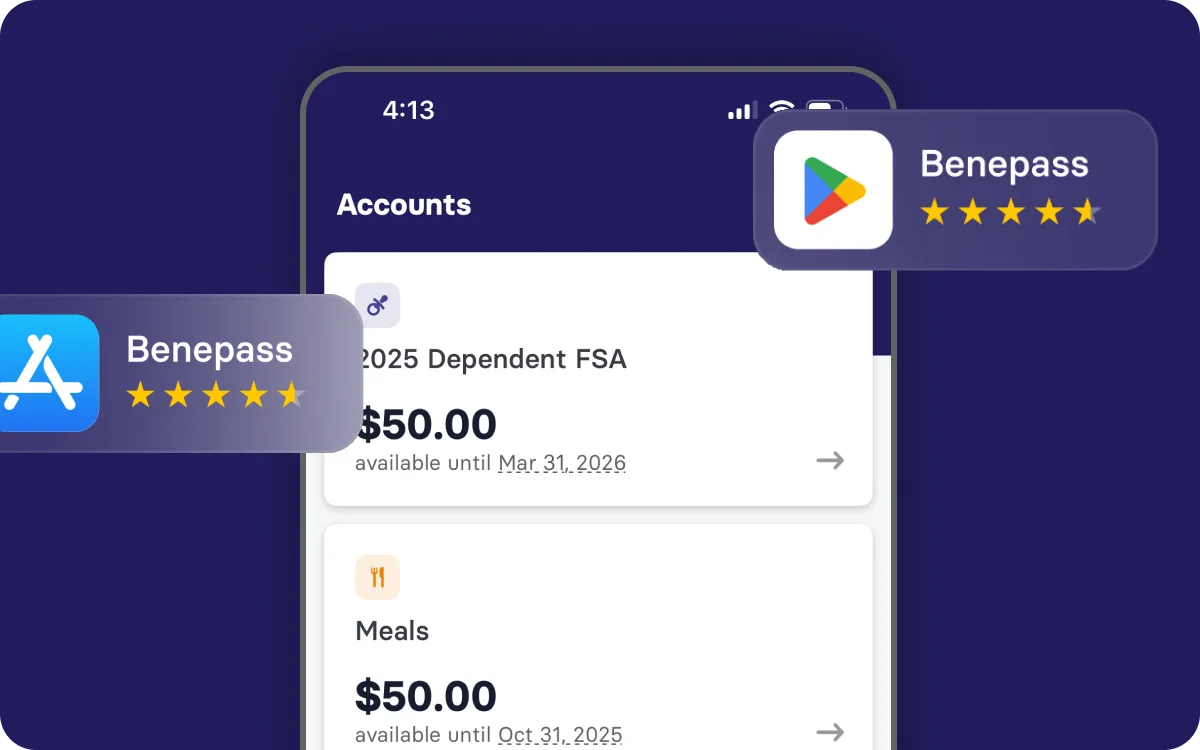
A healthcare FSA covers a wide range of medical, dental, and vision expenses that aren't otherwise reimbursed by insurance.
Eligible medical expenses include copays, deductibles, coinsurance, prescription medications, and many over-the-counter items like first aid supplies and pain relievers. Employees can also use funds for medical equipment, physical therapy, and mental health services, as long as the expense qualifies under IRS guidelines.
Dental expenses covered under a healthcare FSA include cleanings, fillings, orthodontics, and other treatments not fully covered by dental insurance. Vision expenses include eye exams, prescription glasses, contact lenses, and corrective surgery like LASIK.
A healthcare FSA excludes several categories of spending that employees commonly assume are eligible:
Clear communication about these exclusions upfront prevents denied claims and frustrated employees later in the plan year.
The employee experience follows a consistent sequence, regardless of which administrator runs the plan.
Because of the use-it-or-lose-it rule, employees should estimate expenses carefully before electing an amount. Overestimating creates real forfeiture risk, especially without a carryover or grace period in place. Across the 2026 Benepass Benchmarking Report dataset, the median annual HCFSA employee contribution is $1,200, well under the IRS maximum, and 21% of employers have employees who forfeit dollars, with an average forfeiture of $265 among those who do. Forfeiture is real, but it's concentrated among a smaller group of employees who overestimate, not the typical experience. That kind of proactive education around pre-tax benefits tends to pay for itself in reduced forfeitures alone.
Documentation matters throughout the year, not just at enrollment. Employees should save receipts and explanation-of-benefits statements for every FSA purchase in case the plan administrator requests substantiation for an audit.
Employees often confuse these three account types, and the differences matter for both eligibility and plan design.
A limited-purpose FSA restricts spending to dental and vision expenses so that it doesn't interfere with HSA eligibility. That distinction matters because employees enrolled in an HDHP with an HSA cannot also enroll in a full healthcare FSA. This is one of the most common enrollment errors HR teams see, and clear plan communications at open enrollment can prevent it: employees who want both an HSA and FSA-style coverage need the limited purpose version, and the full healthcare FSA isn't an option for them.
Offering a healthcare FSA comes with specific administrative requirements on the employer side.
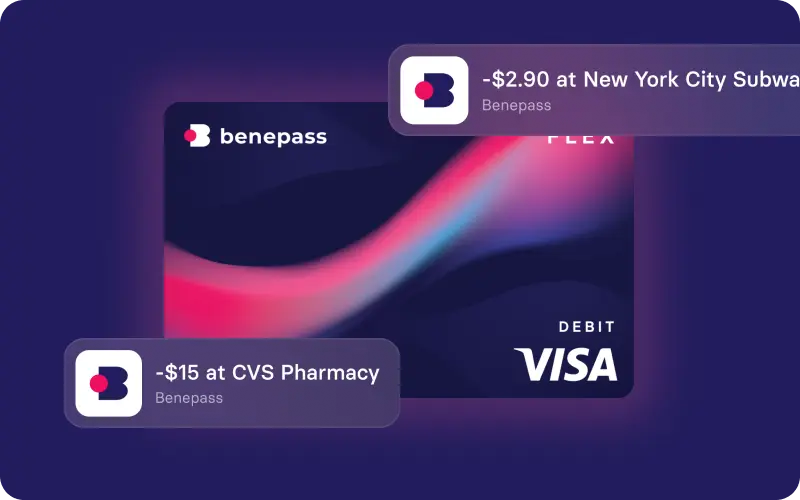
Benepass administers healthcare FSAs as part of a broader pre-tax and flexible benefits platform, giving employees one card and one place to manage every spending account instead of juggling separate logins and cards for their FSA, commuter benefits, and other pre-tax programs. According to the 2026 Benepass Benefits Benchmarking Report, healthcare FSA card spend represents 79% of total spend, as employees grow more comfortable using their benefits card at the point of sale instead of filing paper claims.
That shift toward card-first spending is worth building into your rollout plan. The easier it is for employees to use their FSA in the moment, the less likely funds are to sit unused until they are forfeited. HR teams building out a full pre-tax and flexible benefits strategy, not just a standalone FSA, tend to see stronger utilization across the board because employees only have to learn one system.
If you're building out a comprehensive employee benefits strategy and want fewer vendors, less manual administration, and a single card employees actually use, book a demo to see how Benepass brings pre-tax and flexible benefits together on one platform.
No, not to a full healthcare FSA. Employees enrolled in an HSA-qualified HDHP can pair their HSA with a limited-purpose FSA instead, which covers only dental and vision expenses and preserves HSA eligibility.
Unused funds are forfeited unless the employer offers a carryover of up to $680 into the following plan year or a grace period of up to two and a half months to spend down the balance. Employers can offer one option or neither, but not both.
Employers set their own plan limit at or below the IRS maximum, and that limit generally cannot change once a plan year begins. Employees can change their individual election mid-year only if they experience a qualifying life event, such as marriage, divorce, or the birth of a child.
A healthcare FSA is one piece of a much larger pre-tax strategy, and how well it works often depends on how it's administered alongside everything else in your benefits stack.
