
Back to all blog posts

Roughly half of flexible spending account (FSA) holders forfeit money back to their employer at the end of the plan year, losing an average of $441 each, according to the Employee Benefit Research Institute. That's benefit budget you already funded, walking out the door every December because employees didn't understand their account, couldn't track their balance, or never got around to filing a claim.
The provider you choose is what decides whether that happens. A good FSA administrator drives participation, keeps you compliant, and takes work off your team's plate. A weak one leaves money on the table and adds tickets to your queue.
This guide compares the best FSA providers for employers in 2026 on the factors that move participation and reduce risk, not just price, allowing you to match a provider to your workforce, your existing benefits stack, and the program you want to run.
An FSA provider, or third-party administrator, manages the operational side of your flexible spending account program so your HR team doesn't have to. It covers:
When you evaluate providers, these are the functions you're really comparing.
The annual contribution limit for health FSAs is $3,400 for plan years beginning in 2026, with a maximum carryover of $680 for plans that allow it, per IRS Revenue Procedure 2025-32. The administrator is responsible for enforcing those limits, substantiating that purchases are eligible, and producing the documentation you need if the IRS ever asks.
Where providers diverge is scope. Some handle FSAs in isolation, which means a separate vendor, login, and card for every other account you offer. Others, including Benepass, run FSAs alongside health savings accounts (HSAs), health reimbursement arrangements (HRAs), commuter benefits, and lifestyle spending accounts on a single platform and card for a rounded cafeteria plan. That difference shapes both the employee experience and how much administrative work lands on your team.
The right provider depends on what you're optimizing for. Before comparing names, set your evaluation lens on the five factors that separate strong administrators from weak ones:
Each provider below is evaluated against those criteria to give a clear look at which work best for your organization and needs.
Best for: Employers that want to run FSAs alongside their other pre-tax and lifestyle benefits on one card and platform, with high participation and less administrative burden.
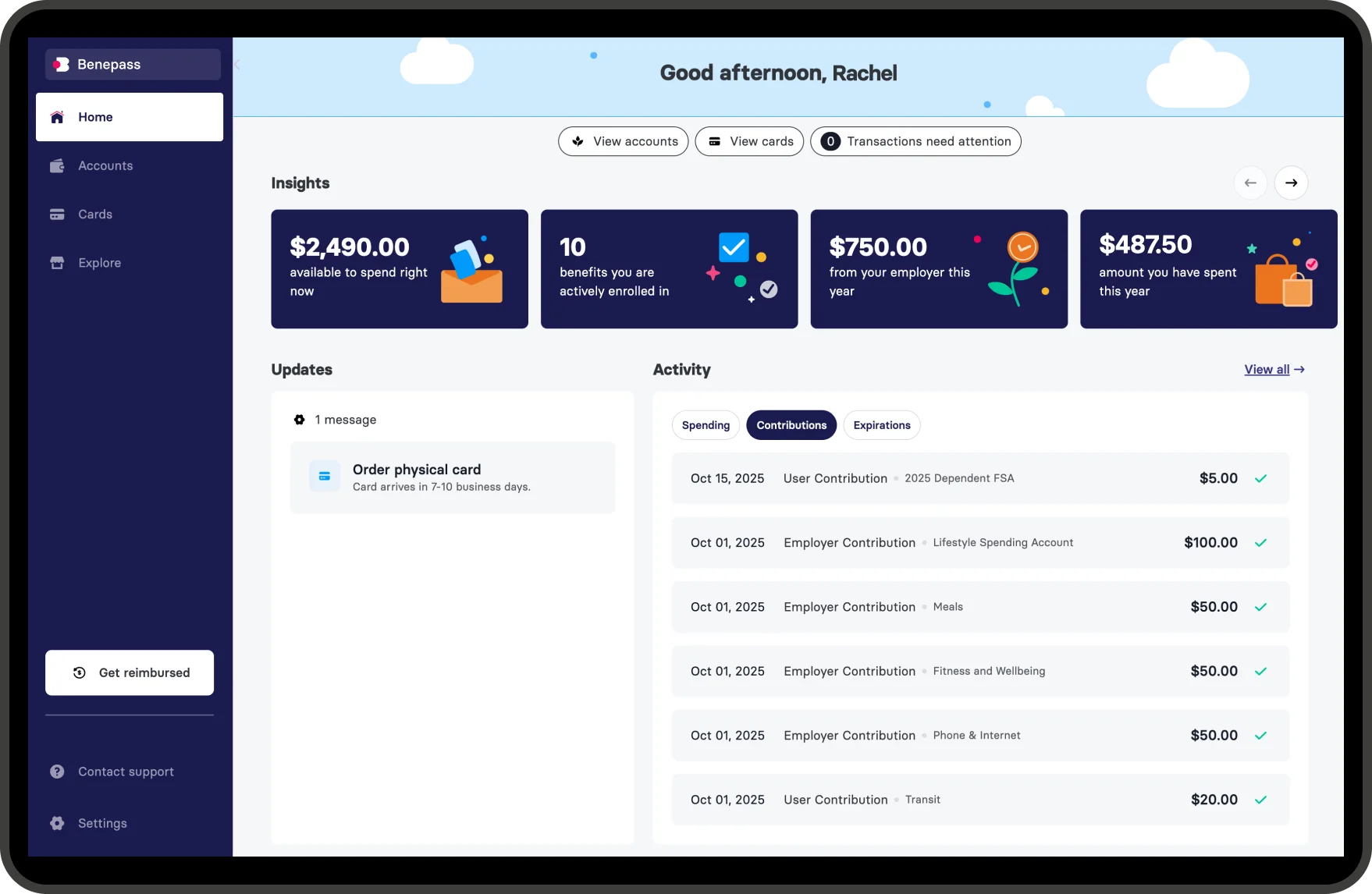
Benepass is a modern benefits platform that administers health FSAs and dependent care FSAs (DCFSAs) on the same card and system as HSAs, HRAs, commuter benefits, and lifestyle spending accounts. Instead of a separate vendor for each account, employees carry one Visa card and manage everything through a web and mobile app.
Key features include:
What to consider: Benepass is built for employers that want a consolidated pre-tax and lifestyle program. A company that only ever plans to offer a single standalone FSA and nothing else may not need the platform's full breadth.
Best for: Enterprises that want a configurable FSA engine with deep payments infrastructure and a wide partner network.
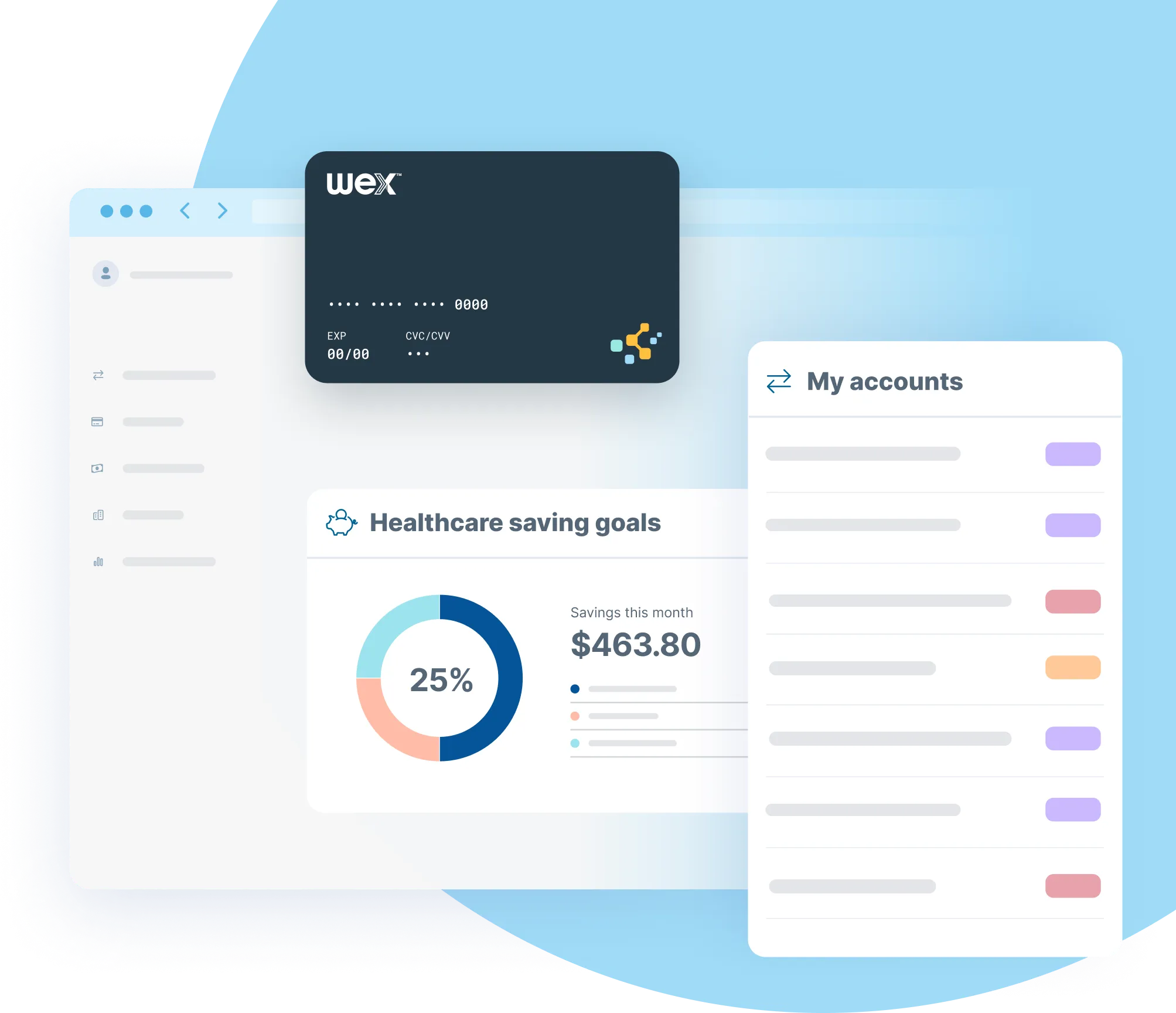
WEX is a payments and benefits administrator with roots in commuter and FSA administration. It pairs a reliable benefits card network with a flexible plan engine that handles edge cases like mid-year changes, carryovers, and grace periods.
Key features include:
What to consider: As a large, multi-product administrator, WEX can be more than smaller teams need, and the experience depends on which partner delivers it.
Best for: Employers that want a single provider for HSAs and FSAs at scale.
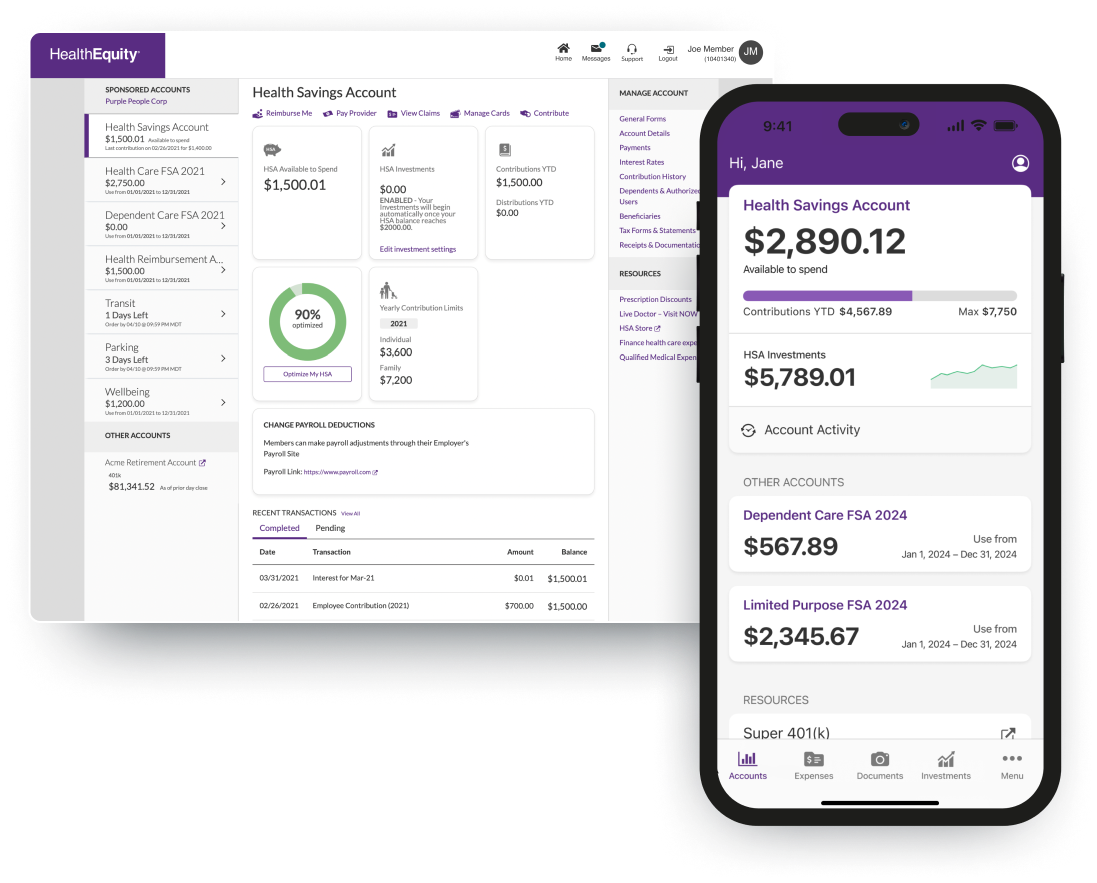
HealthEquity is one of the largest names in consumer-directed benefits. Historically known for HSAs, it now administers health FSAs, limited-purpose FSAs, and dependent care accounts with debit cards and an emphasis on participant self-service.
Key features include:
What to consider: The platform is built around health accounts, so employers looking to add lifestyle or perks programs will likely need a separate vendor for those.
Best for: Employers that want FSAs bundled with a broad set of consumer-directed health accounts.
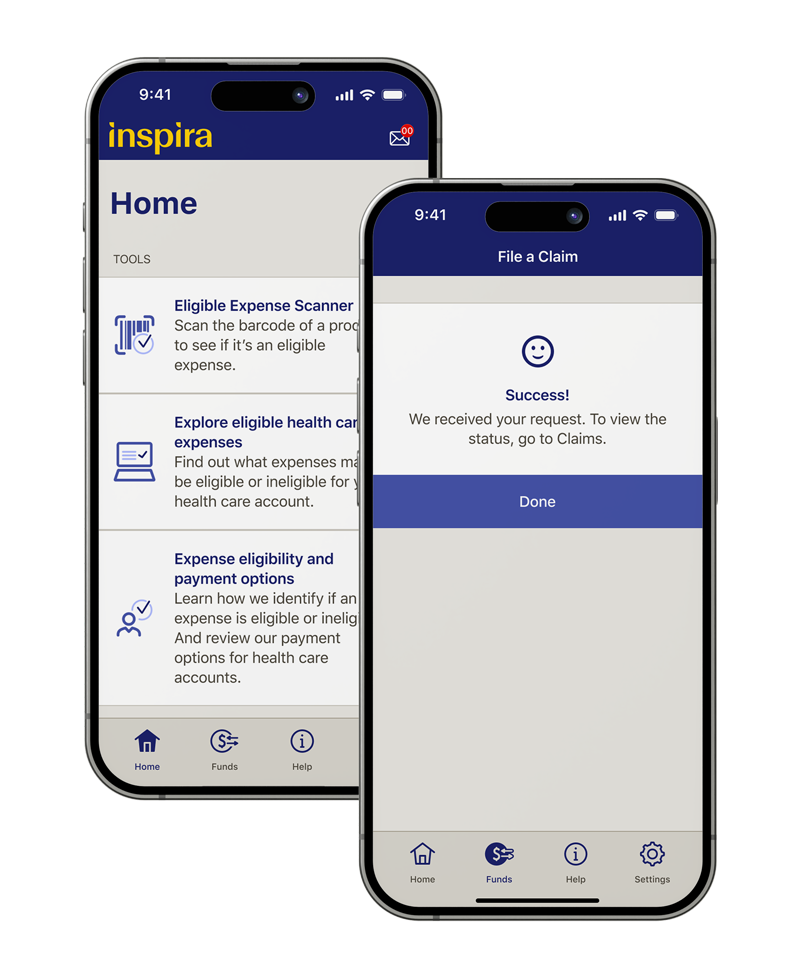
Inspira Financial administers FSAs alongside HSAs, HRAs, and commuter benefits, with a mobile app and debit card for qualified medical expenses.
Key features include:
What to consider: As a large administrator serving many segments, the employee experience can feel less tailored than a purpose-built modern platform.
Best for: Enterprises already using Optum or UnitedHealth Group for health benefits.
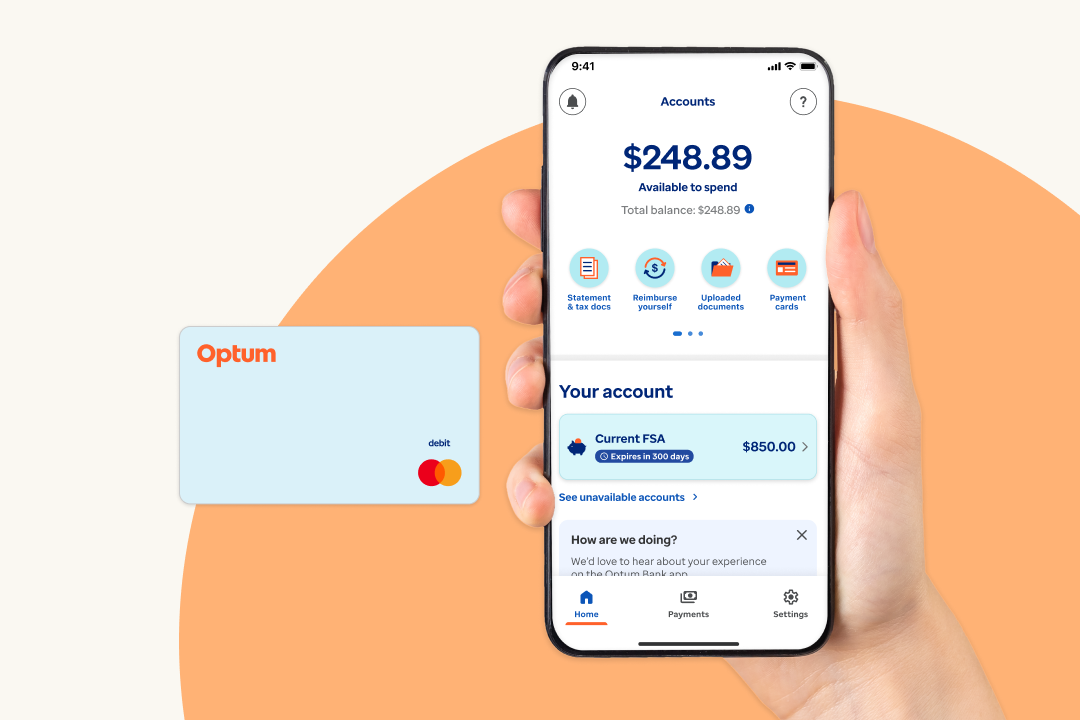
Optum Financial administers FSAs, HSAs, and HRAs and connects to the broader Optum and UnitedHealth ecosystem, which makes it a common default for employers already in that stack.
Key features include:
What to consider: The value is strongest for employers already committed to Optum. Standalone buyers may find the platform less differentiated.
Best for: Employers that want a compliance-focused administrator with a long FSA track record.
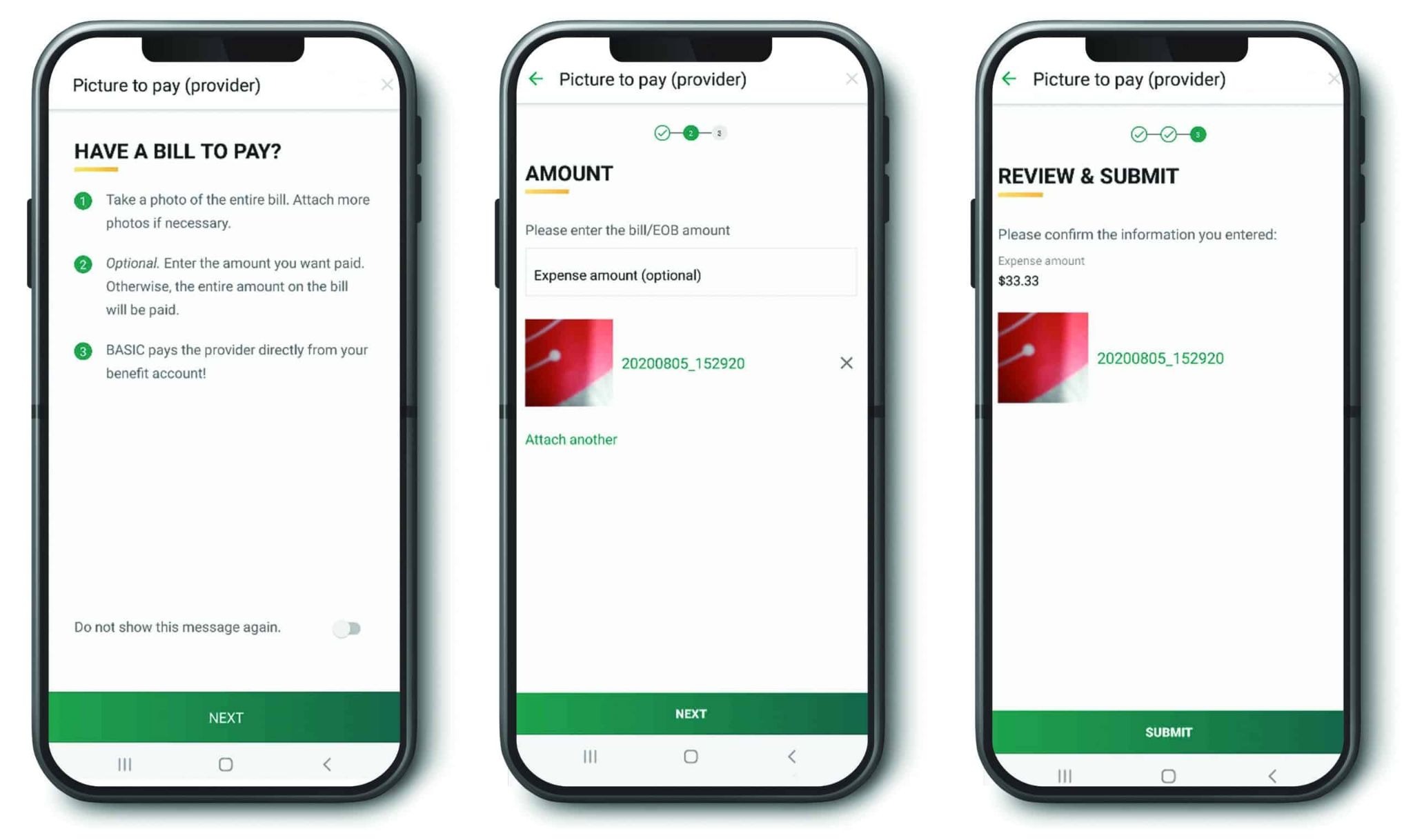
BASIC is a third-party administrator with more than 35 years of experience and was among the first administrators of flexible spending accounts in the United States. It administers FSAs, HSAs, HRAs, COBRA, and ACA reporting with a compliance-first approach.
Key features include:
What to consider: The breadth of administrative services can mean a more traditional experience than the card-first, app-driven platforms newer entrants offer.
Best for: Employers of any size that want a long-established benefits administrator with broad reach.
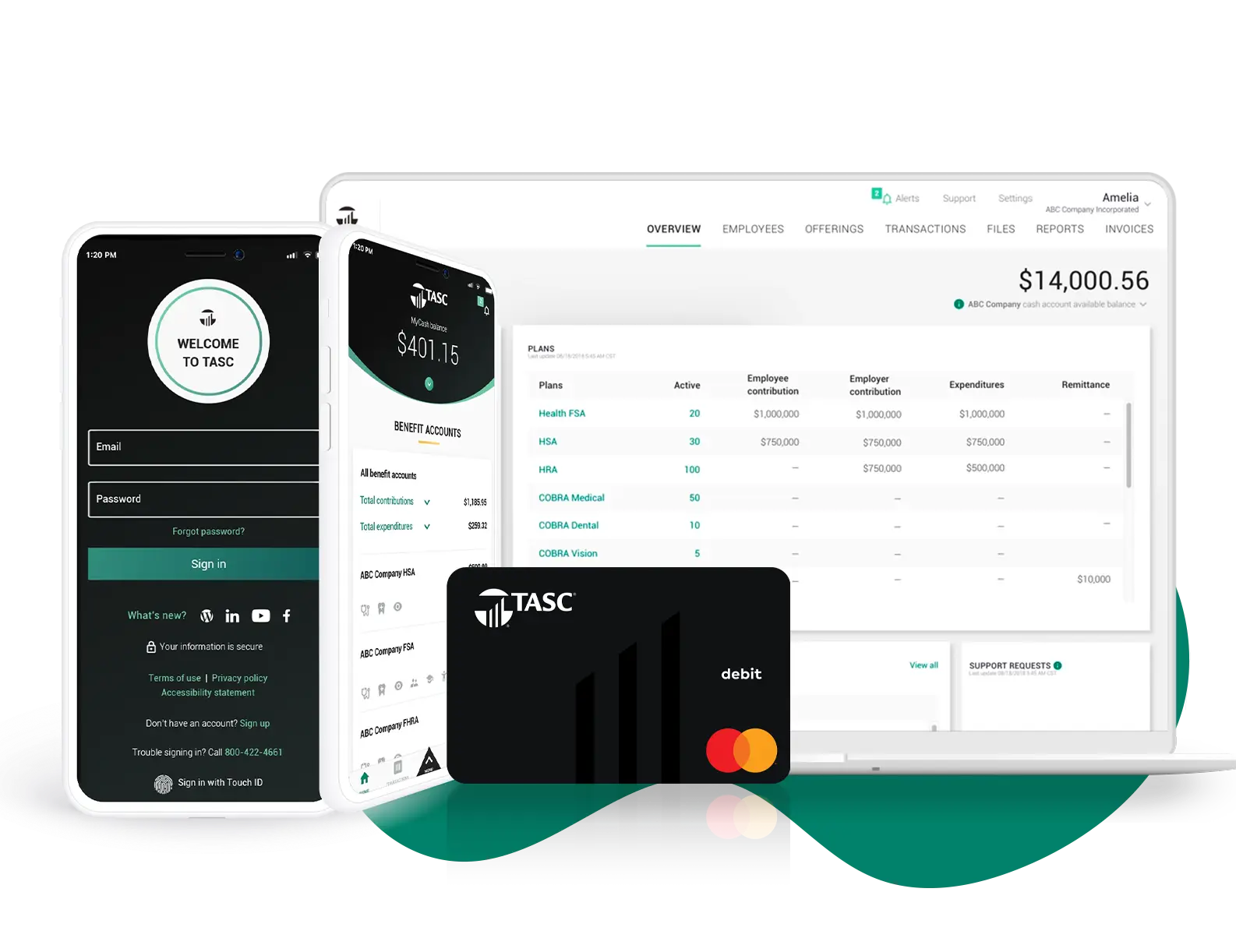
Total Administrative Services Corporation (TASC) is one of the largest privately held third-party benefits administrators in the country, serving employers from sole proprietors to very large organizations across sectors like education and government.
Key features include:
What to consider: As a traditional administrator, the participant experience may not match the mobile-first design of newer platforms, which can affect engagement.
The features that matter are the ones that map to an outcome your team actually cares about, like higher utilization, fewer compliance gaps, or less manual work. Here is how each criterion connects to a real result.
The IRS requires that FSA purchases be substantiated as eligible expenses, including medical equipment, eyeglasses, and dental expenses. When a provider auto-approves eligible transactions at the point of sale, employees won’t need to submit receipts for routine purchases and your team won’t have to chase down documentation.
Weak substantiation tools create the opposite: employees get follow-up requests, abandon claims, and leave funds unspent. So when looking at your options, ask each provider what percentage of transactions clear automatically.
Direct connections to systems like Workday, BambooHR, or ADP automate enrollment, eligibility updates, and contribution funding. That eliminates the manual CSV uploads that delay benefit access and introduce errors. If a provider reads your payroll system and enrolls eligible employees automatically, you won’t have to deal with a recurring task in every pay period.
Your administrator should absorb the compliance burden, not hand it back to you. That means enforcing contribution limits, running nondiscrimination testing where required, maintaining plan documents, and producing audit-ready reporting. Ask for documentation on how providers handle benefits compliance and how quickly they can produce records during an audit.
Participation lives or dies on the employee experience. A modern web and mobile app, a card that works the first time, and clear visibility into account balances and expiration dates are what turn a funded account into a used one. When employees can see their balance and spend directly, support tickets drop and forfeitures fall.
A provider that runs FSAs alongside HSAs, HRAs, commuter, and lifestyle benefits on a single platform consolidates what would otherwise be several vendors, logins, and cards. Fewer point solutions means less administrative overhead for your team and a simpler experience for employees, which is a major reason employers move toward consolidated employee benefits platforms.
The right choice depends on three variables: your workforce size, your existing benefits stack, and whether your goal is a standalone FSA or a consolidated pre-tax and lifestyle program.
The more account types you offer, the stronger the case for consolidation. Running an FSA in isolation is manageable. Running an FSA, an HSA, commuter benefits, and a wellness stipend across four vendors is where the administrative cost compounds.
Choosing an FSA administrator is really choosing how much of the benefit your employees will actually capture, and how much manual work your team absorbs to get there. The same dollars you budget either reach employees as used benefits or expire as forfeited funds, and the provider sits squarely in the middle of that outcome.
The strongest providers in 2026 are those that make participation easy, absorb the compliance burden, and reduce the number of systems your team has to manage. According to the 2026 Benepass Benchmarking Report, employers that run both pre-tax and lifestyle accounts on a single platform see higher FSA utilization (85% vs. 79%) than employers running fragmented programs. When you compare options, weigh the employee experience and the breadth of accounts on one platform as heavily as price, as those are the factors that determine whether the program works a year from now.
Benepass runs FSAs and the rest of your pre-tax and lifestyle stack on a single card and system, so employees use more of what you fund and your team manages less.
See how Benepass runs FSAs alongside HSAs, commuter, and lifestyle benefits on one connected platform, so your team gets higher participation with less administrative work.
