
Back to all blog posts

Forma is a benefits platform that offers lifestyle spending accounts and flexible benefits administration, among other services. However, user reviews reporting limited information and reimbursement delays may lead some benefits consultants to explore alternatives.
And with regular support gaps rounding out top Forma complaints, it can be difficult getting the solution to these delays and other problems right away. When a platform creates friction like this or fails to fulfill needs quickly, your recommendations are on the line. Because of this, it’s best to explore a wider variety of options, weighing pros and cons to ensure you have fitting options to recommend in Forma’s place.
This guide breaks down how to evaluate modern Forma alternatives that reduce administrative burden, improve program performance, and make your role as an advisor more effective.
Forma positions itself as a modern platform for managing stipends, wellness programs, and pre-tax accounts in one place. But for many employers and consultants, common platform concerns create friction that directly impacts client outcomes, like these:
When these issues become unmanageable, they create enough friction to impact program adoption, increase administrative cost, and put pressure on the value of your recommendation—at which point it’s best to reassess your platform choice before these challenges affect renewal conversations.
The right platform should reduce your administrative burden, support client retention, and deliver outcomes that justify the investment. Here's what to prioritize.
Say your clients run payroll through ADP, Gusto, or Rippling, and their employee data lives in BambooHR, Workday, or Namely. A benefits platform that doesn't integrate with these systems creates manual work that falls to your plate or your client's HR team. Look for platforms with native HRIS and payroll integrations that automate employee eligibility updates, contribution deductions, and tax reporting.
During vendor evaluation, ask specific questions, like:
Always request a technical walkthrough with the implementation team, not just the sales team.
Benefits administration sits at the intersection of IRS rules, state tax codes, and employment law. The platform you recommend needs to handle compliance automatically, not shift that burden to your client's finance team. Evaluate how each platform manages tax treatment by benefit type, state-specific withholding requirements, and IRS substantiation for pre-tax accounts.
Pricing transparency affects your ability to forecast total program costs and defend recommendations internally. Common models include:
A platform at $3 PEPM might look cheaper than one at $5 PEPM, but if it adds transaction fees, charges extra for integrations, or limits support tiers, the true cost could be higher. Ask vendors for total cost scenarios at different headcount levels and utilization rates before drawing conclusions.
The best benefits platform is the one employees actually use. Test the ease of use and employee experience yourself during demos by clicking through the enrollment flow, submitting a reimbursement claim, and checking mobile app functionality. Key factors include:
Platforms with strong user experience consistently achieve higher employee engagement rates, which is the metric your clients care about most.
Below are seven platforms consultants are actively recommending as Forma alternatives, each with distinct strengths depending on client size, benefit priorities, and geographic footprint.
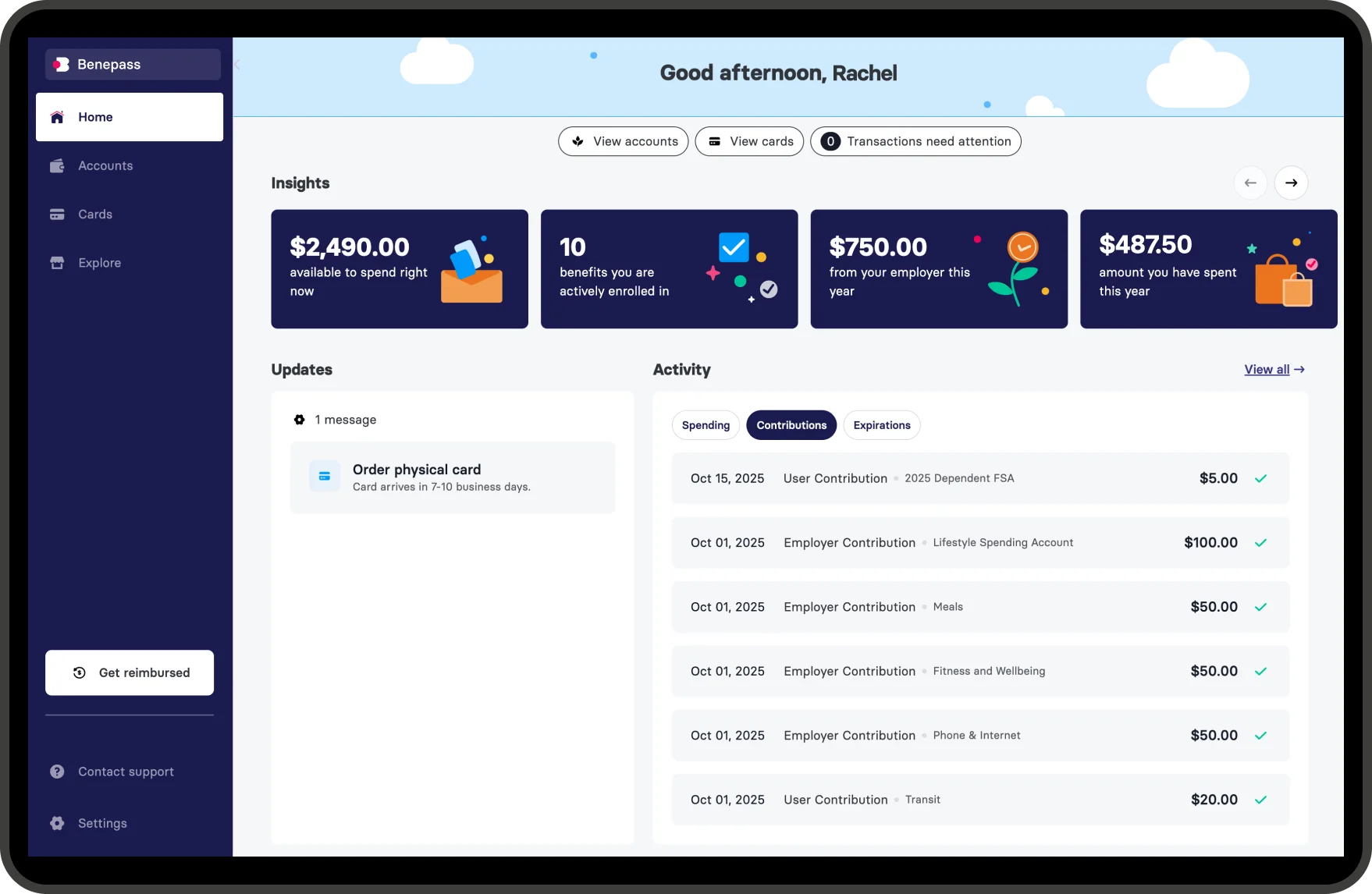
Benepass consolidates lifestyle benefits, pre-tax accounts, and global perks onto a single user-friendly platform and card, eliminating the vendor fragmentation that creates reconciliation headaches across client programs. The platform supports benefits delivery across 80+ countries, making it particularly valuable for clients with distributed or international teams.
Key features:
Considerations: Benepass maintains a 98% client retention rate, reflecting consistent service delivery across diverse client programs. The platform's approach to benefits administration prioritizes simplicity without sacrificing configurability, and pricing is customized based on company size and feature requirements.
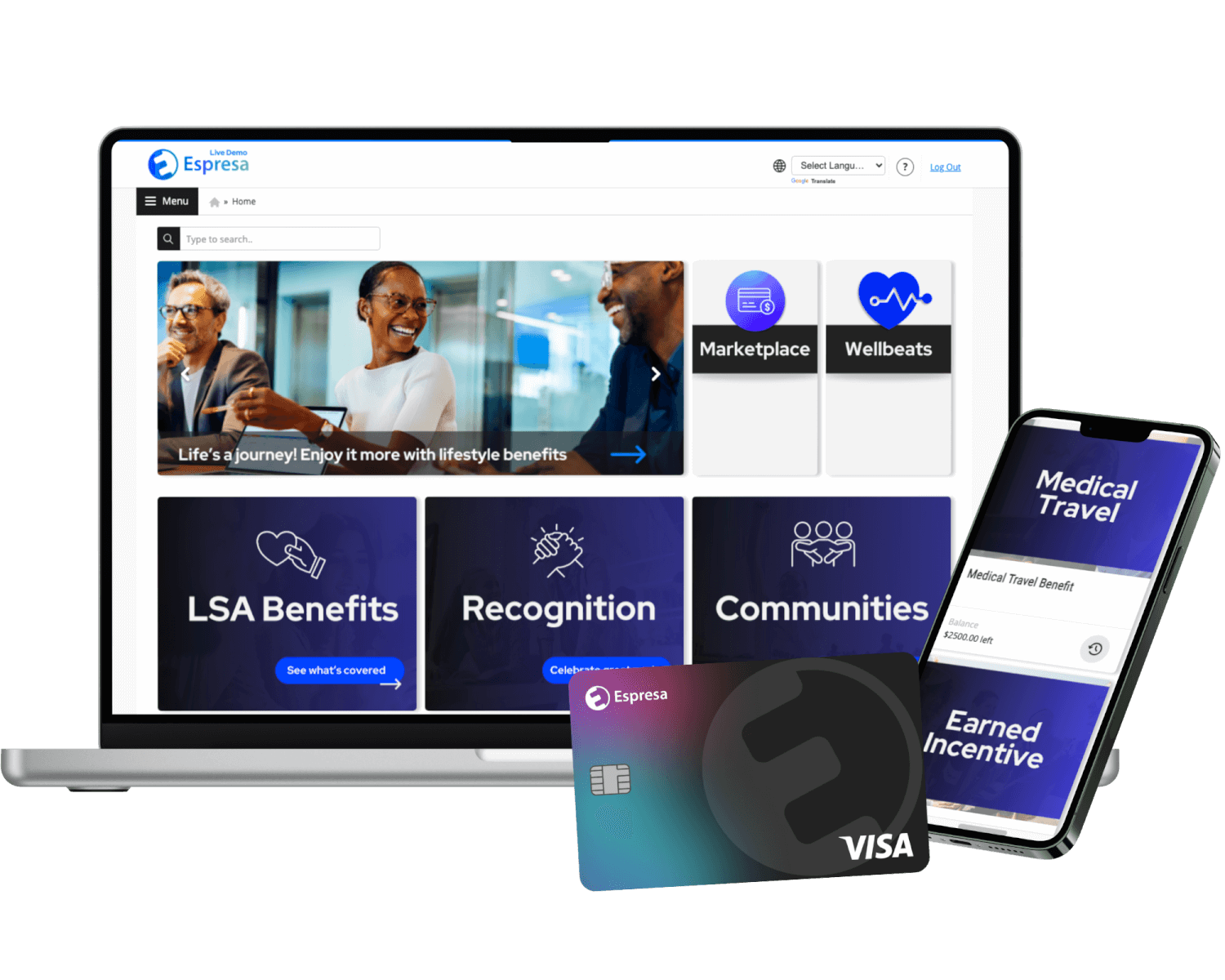
Espresa provides a unified dashboard for managing HSAs, FSAs, HRAs, and lifestyle stipends, positioning itself as an all-in-one option for consultants managing multiple vendor portals. The platform emphasizes policy-driven reimbursements that allow employees to submit receipts for any vendor, reducing card decline issues common with marketplace-restricted platforms.
Key features:
Considerations: The receipt-based reimbursement model offers flexibility but may require more manual review than card-first systems, particularly for clients with high transaction volumes. Espresa uses custom pricing without public rate cards.
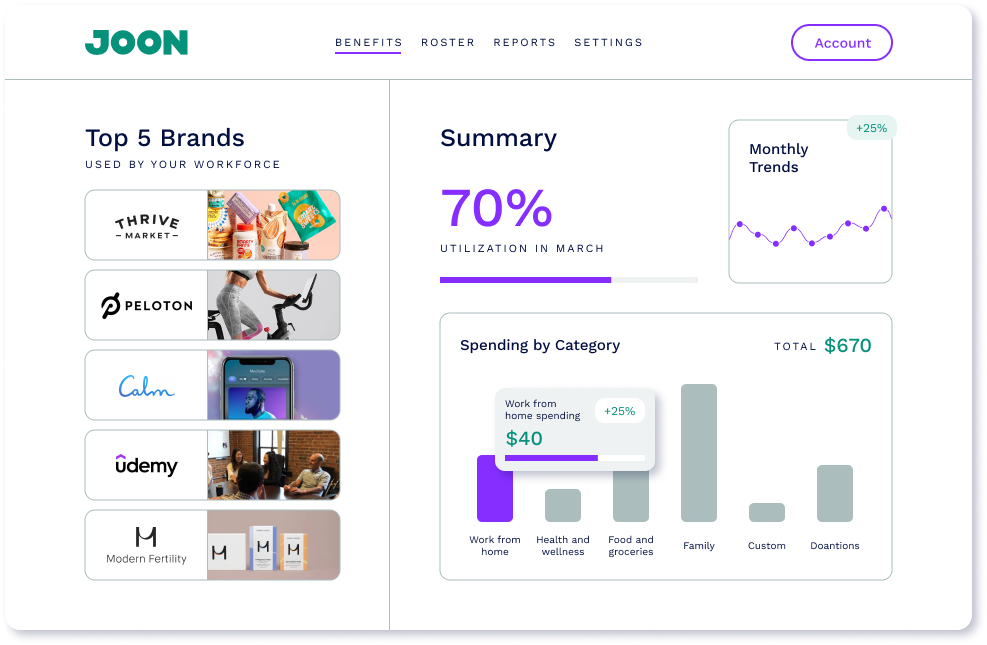
Joon is a stipend-focused benefits platform designed for companies that want to offer flexible, employee-directed spending without building out a complex benefits infrastructure. It's particularly suited for smaller employers or those new to lifestyle benefits who need a straightforward setup.
Key features:
Considerations: Joon's simplicity is its primary advantage and its main limitation. It works well for clients who need a lightweight stipend solution but won't replace platforms that handle pre-tax accounts, global compliance, or complex eligibility rules.
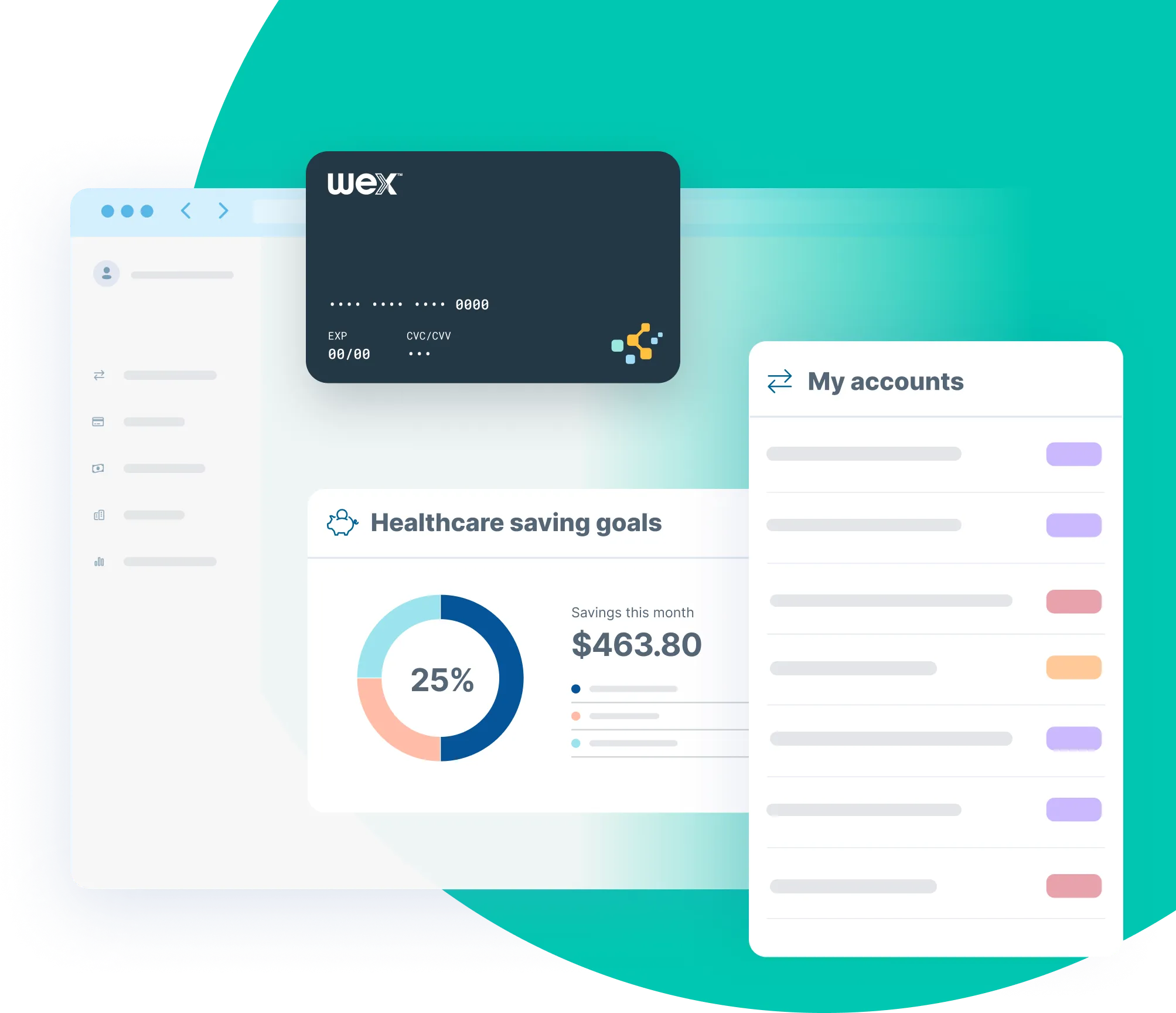
WEX brings decades of payment infrastructure experience to benefits administration, specializing in HSAs, FSAs, HRAs, and commuter benefits with a focus on card-based spending. For clients who prioritize pre-tax health accounts over lifestyle perks, WEX offers established compliance processes and carrier integrations.
Key features:
Considerations: WEX's infrastructure is built for scale, but the platform doesn’t always get the best marks for small and medium-sized companies, suggesting it's better suited for larger programs where established processes outweigh user experience considerations.
HealthEquity specializes in tax-advantaged health accounts—HSAs, FSAs, and HRAs—with deep expertise in IRS compliance and carrier integrations. For clients who prioritize pre-tax health benefits over broader lifestyle perks, HealthEquity offers proven administration with audit-ready reporting.
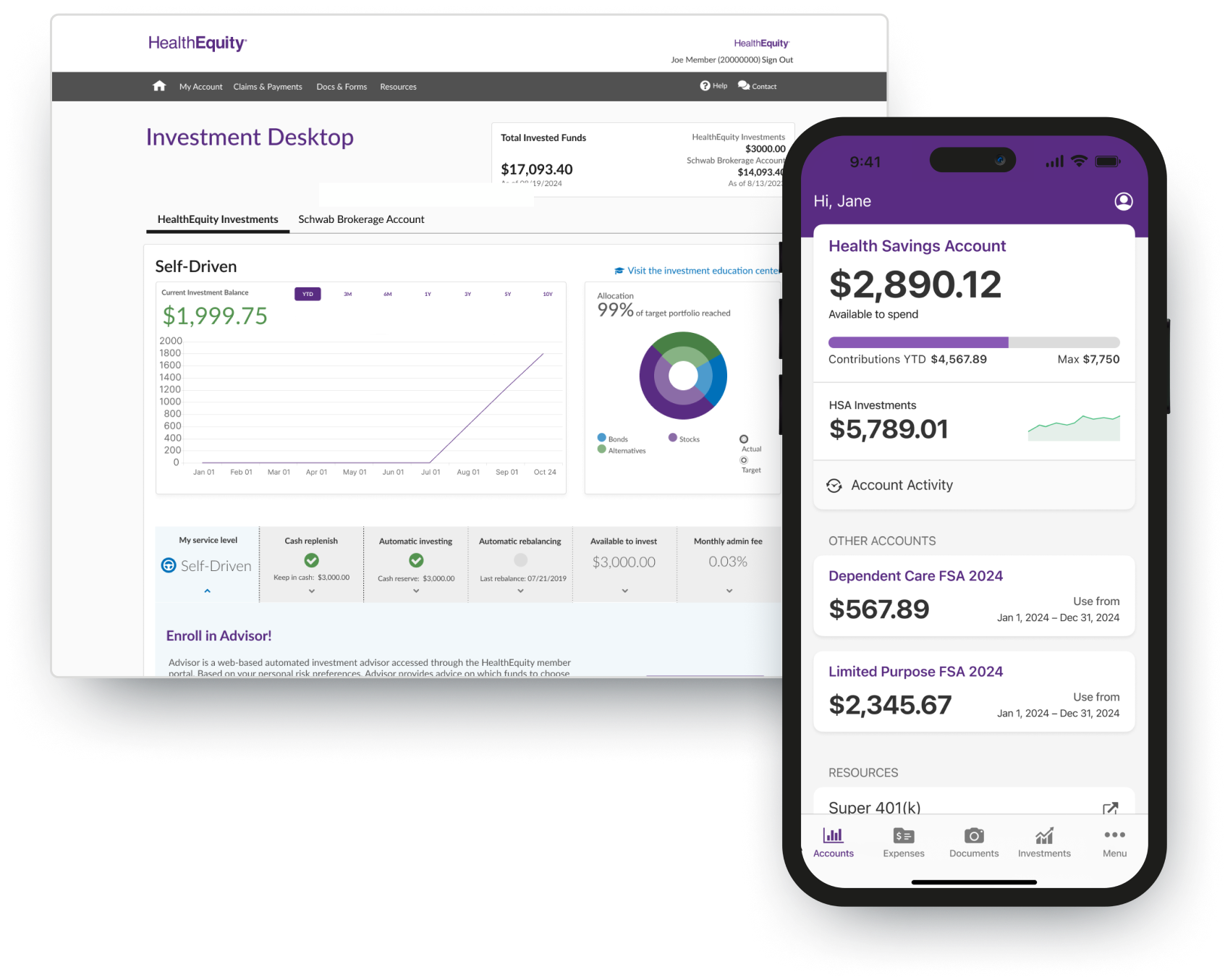
Key features:
Considerations: HealthEquity's focus on health accounts means you'll likely need to layer additional vendors for clients seeking wellness stipends, learning budgets, or other employee benefits platform capabilities beyond medical expenses.
Optum, backed by UnitedHealth Group's infrastructure, delivers HSA, FSA, HRA, and COBRA administration with enterprise-grade compliance tools. It's designed for consultants managing complex, health-focused benefits programs for mid-to-large employers who need established vendor relationships and proven regulatory processes.
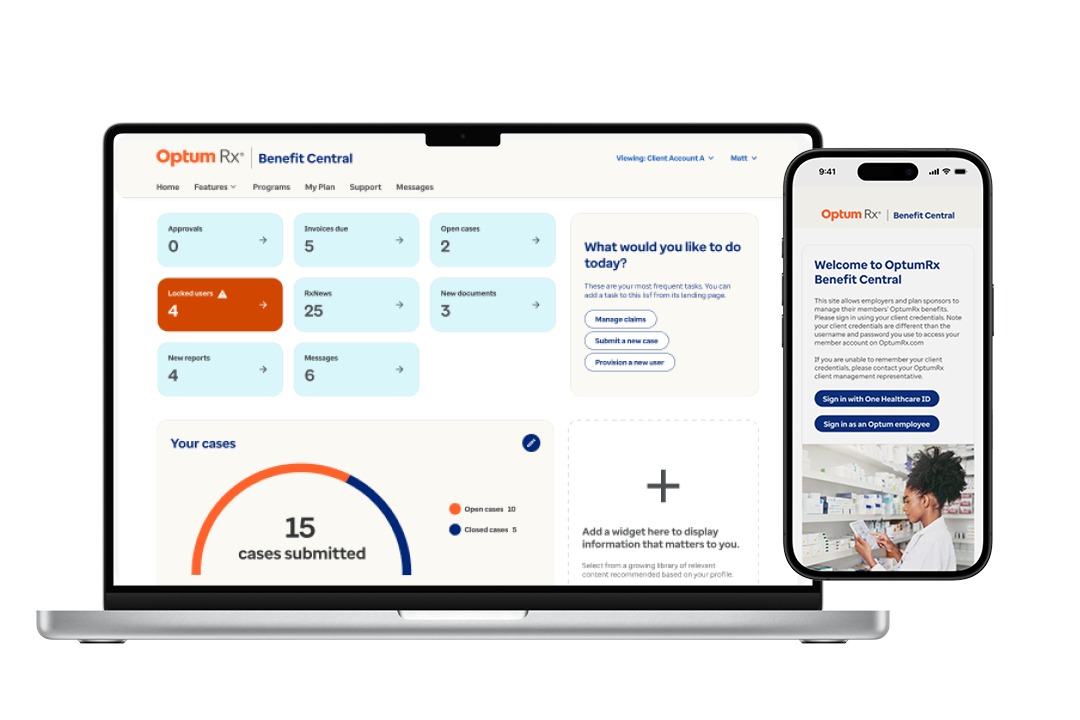
Key features:
Considerations: Like HealthEquity, Optum focuses primarily on health accounts, requiring consultants to coordinate additional platforms for clients seeking broader benefit offerings, including wellness, learning, or family support.
Rippling embeds benefits administration within a unified HR, payroll, IT, and finance platform. For clients who need to consolidate multiple systems, Rippling offers automated enrollment, payroll deductions, and compliance management across 185+ countries.
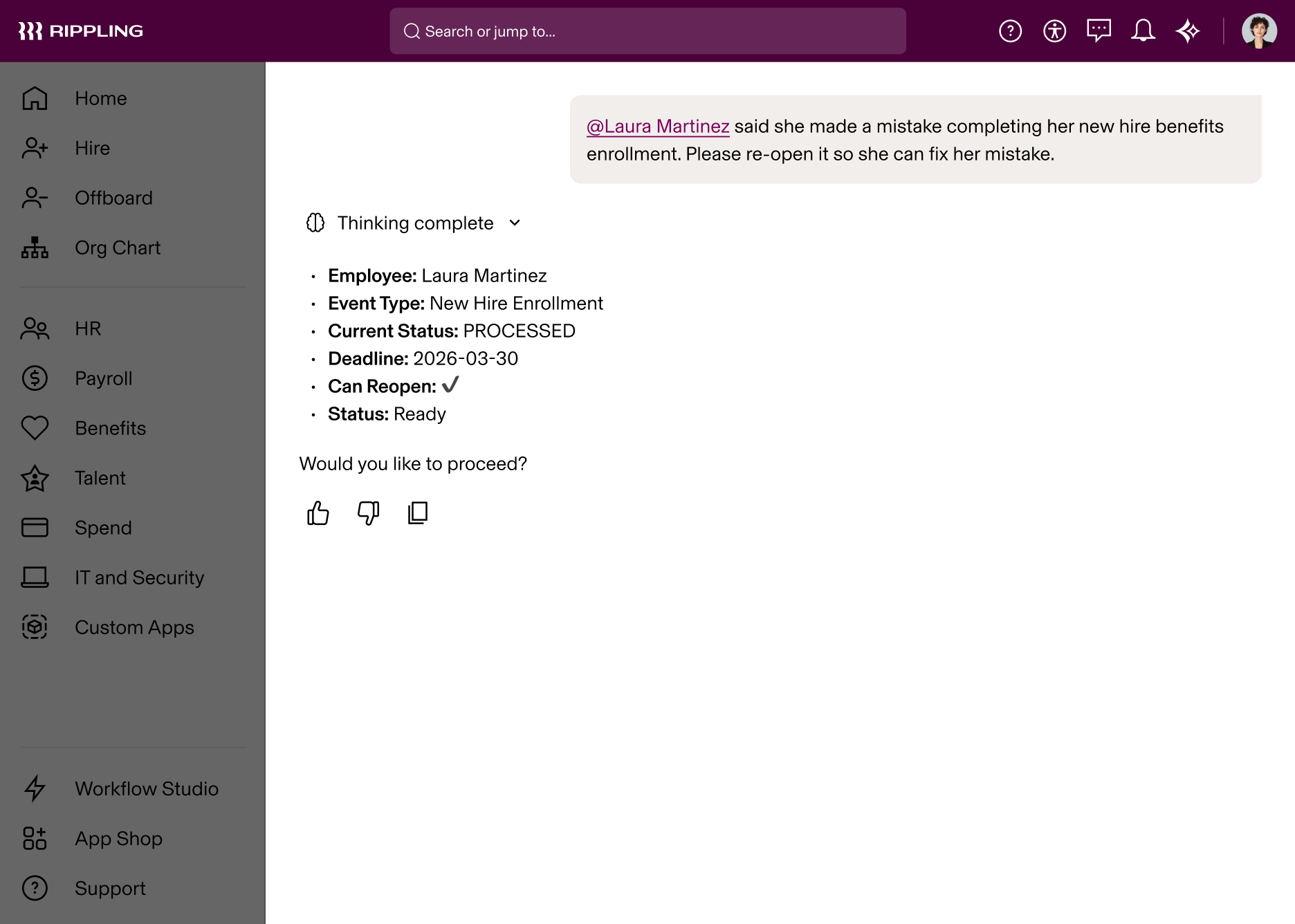
Key features:
Considerations: Rippling's comprehensive platform can present a steeper learning curve for consultants focused solely on benefits, and its pricing may create cost barriers for smaller clients who don't need the full HR suite.
To choose the right platform, determine what your client is currently struggling with and what their needs are. Focus on three questions: Does it solve your client’s core pain points? Can their team manage it without constant support? And will employees actually use it?
If not, those gaps will show up in adoption, cost, and renewal conversations—so it’s better to keep searching.
Small to mid-sized companies (50–500 employees) need platforms that reduce admin work and are easy to manage without a dedicated benefits team. Automation and simple enrollment are critical. Benepass works well here by consolidating multiple benefit types onto a single platform and card, reducing vendor sprawl.
Mid-market companies (500–1,000 employees) need scalability and better visibility into usage and spend. Rippling is a strong fit for clients also looking to consolidate HR and payroll, while Espresa offers more customization for stipend programs.
Enterprise clients (1,000+ employees) prioritize compliance, security, and global coverage. Benepass stands out with support across 90+ countries, while WEX and HealthEquity remain strong options for organizations focused on pre-tax health accounts.
Industry needs matter just as much as company size:
Match your recommendation to both company size and the specific benefits needs of the industry.
Implementation timelines directly impact whether your clients can launch on time with proper onboarding and training, especially around open enrollment.
Typical timelines vary by platform:
Incomplete or inconsistent employee data in the HRIS and slow response times during implementation can present challenges and extend these timelines, so to stay on track:
Switching platforms doesn’t need to disrupt your client’s program, but it does require a clear plan. The biggest risks come from poor data management and delayed decision-making. Address those early to avoid implementation delays and adoption issues. A platform change is also an opportunity to improve program design. When done well, it leads to higher participation, fewer support issues, and a better overall employee experience.
Benepass helps consultants make that transition with faster implementations, reliable card performance, and global coverage across 80+ countries. The result is less administrative overhead and a program your clients can scale with confidence.
If you’re evaluating Forma alternatives, explore how Benepass helps you deliver stronger outcomes with less operational friction.
