
Back to all blog posts

Benefits programs accumulate. Year over year, perks get added in response to a hiring push or a one-off request, renewal costs creep up, and a new vendor slips into the stack. Eventually, you reach a point most HR teams recognize but rarely measure: no one can say with confidence which benefits still earn their place, only that the budget keeps growing.
An employee benefits audit is how you answer that question with evidence instead of guesswork. This guide covers how to audit both your program's performance and its operational compliance, with a checklist and example questions your team can use directly.
An employee benefit plan audit is a structured review of your benefits program. The term carries two distinct meanings, and which one applies depends on what you're trying to accomplish.
The first is a strategic review: an internal assessment of whether your benefits are competitive, well used, and cost-effective. This is the audit most HR leaders run on their own schedule to decide what to keep, cut, or change. It looks at participation, spend, workforce fit, and employee feedback to make sure the budget is going where it matters.
The second is a compliance audit of plan administration. This is a formal, regulated examination, often performed by an outside accountant, that confirms a benefit plan meets its legal and financial obligations. It follows fixed rules and timelines and answers to federal agencies rather than to internal strategy.
This guide focuses on the strategic review, since that's where HR has the most direct control and the most to gain. It also covers where regulatory compliance obligations fit, so you know when a formal audit is required and who should run it.
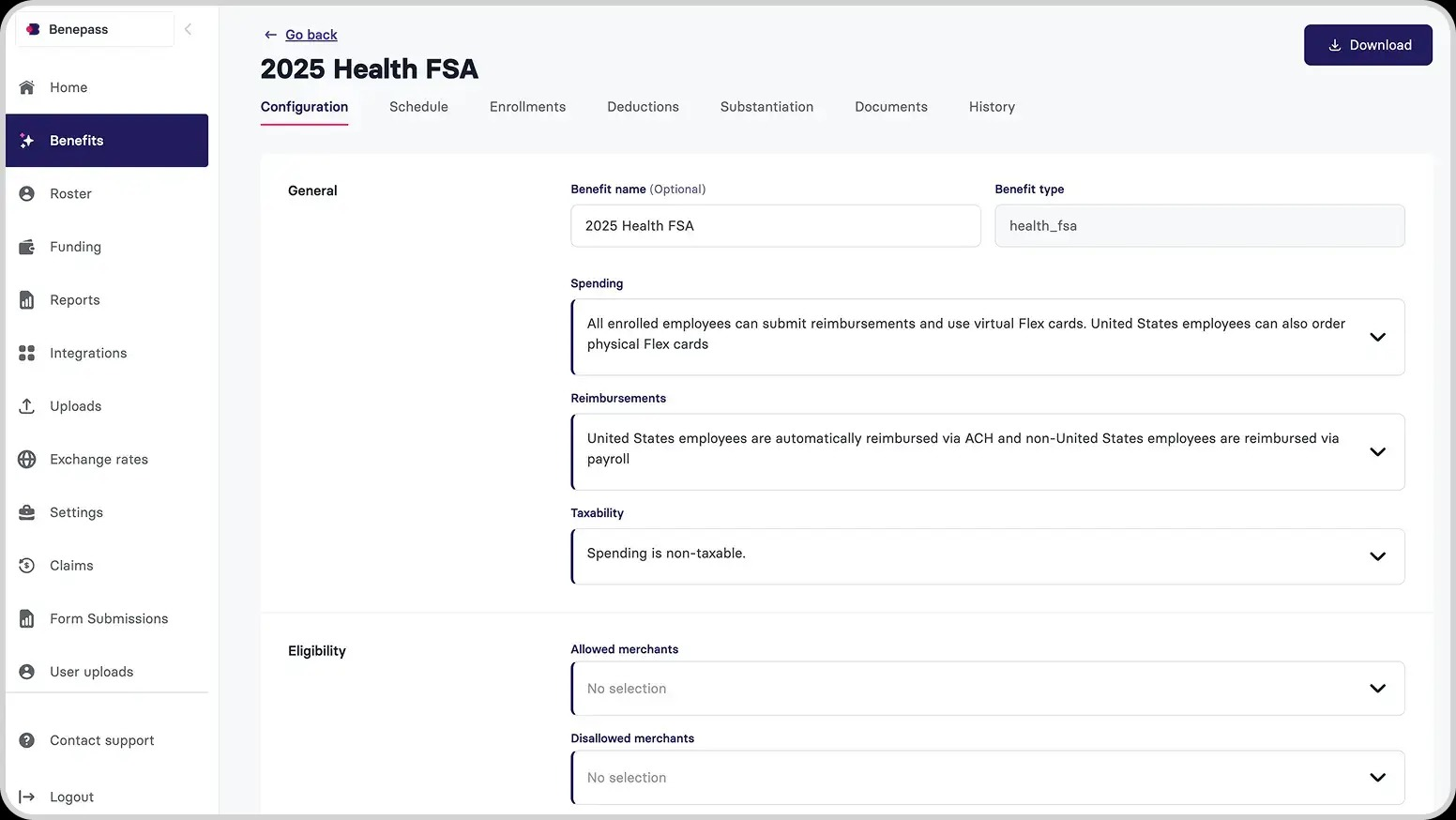
Before you start the strategic review, it helps to know whether any part of your program triggers a formal compliance audit, because that's a separate process with its own rules.
A formal employee benefit plan audit reviews whether plan sponsors are meeting regulatory requirements, maintaining proper internal controls, and supporting plan activity with the right documentation.
Under the Employee Retirement Income Security Act (ERISA), a plan generally crosses into "large plan" status and requires an annual audit once it has 100 or more participants with account balances at the start of the plan year.
For retirement plans, like a 401(k) plan, that audit must be performed by an independent auditor or independent qualified public accountant and attached to the plan’s Form 5500, the annual report filed with the Department of Labor (DOL), the IRS, and the Pension Benefit Guaranty Corporation. For calendar-year plans, Form 5500 is due July 31, with an extension available to October 15.
A few details catch HR teams off guard:
Noncompliance can create filing issues and an added administrative burden for human resources teams, especially when eligible participants, plan documents, or participant data are not tracked consistently. Some benefit structures, including ESOPs, or employee stock ownership plans, can involve additional audit and reporting considerations, so plan sponsors should review those requirements with a qualified advisor.
If your plan crosses the audit threshold, bring in a qualified CPA firm that specializes in employee benefits compliance, follows applicable auditing standards, and understands guidance from the American Institute of Certified Public Accountants.
The strategic review works best as a checklist you can work through section by section. For each area below, pull the data first, then assess what it tells you about whether the benefit is earning its place.
Start with what you're spending and what you're getting for it. Pull total program cost, cost per employee by benefit, and the year-over-year trend. The pressure here is real and current: Mercer projects total health benefit cost per employee will rise 6.5% in 2026, the steepest increase since 2010, and the 2026 Benepass Benefits Benchmarking Report found that 51% of employers exceeded their healthcare budgets. That makes accounting for every dollar harder and more necessary at the same time.
The number that matters most is spend against utilization. A benefit that costs a lot and goes largely unused is the clearest candidate for change. Compare each line item's cost to its participation rate, and flag anything where the two are badly out of balance. This is also the moment to check renewal increases against the value employees actually report getting, a comparison covered in more detail in our guide to the average cost of benefits per employee.
Pull enrollment and active-use numbers for every benefit, broken out individually rather than as a program-wide average. Averages hide the problem. A program can look healthy overall while two or three offerings sit nearly untouched.
Look for the gap between enrollment and actual use. Employees may sign up for a benefit during open enrollment and never engage with it, which tells you something different from low enrollment. Both signal a benefit that needs attention, but for different reasons.
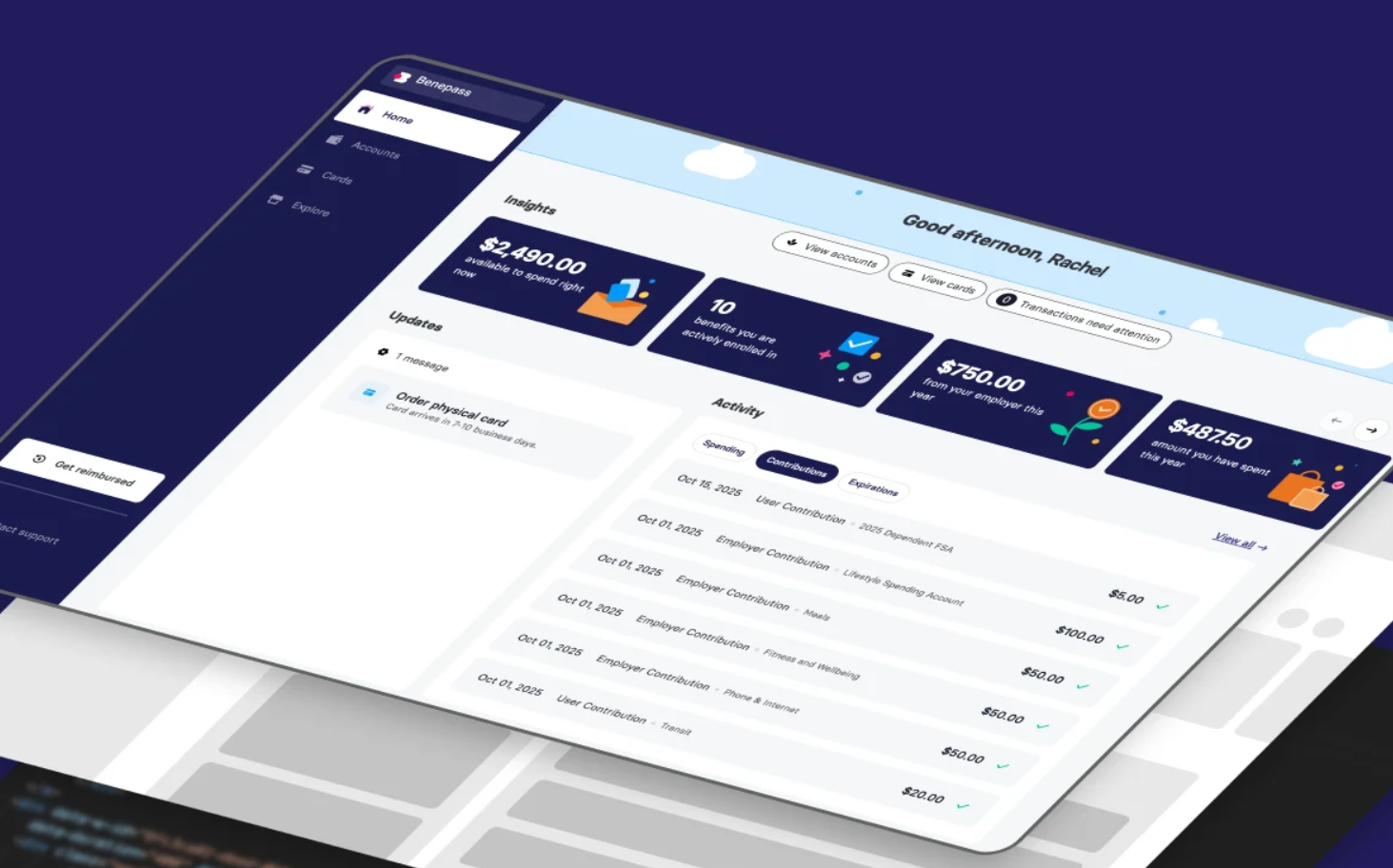
A benefit that works for one part of your workforce may do nothing for another. Break participation down by segment: tenure, location, role type, and life stage.
The questions to ask here are about coverage and relevance. Does your program serve a distributed or global workforce as well as it serves your headquarters? Are younger employees and employees with families both finding something that fits? Uneven participation across segments often points to gaps worth closing.
List every benefits vendor, what each one costs, and what each one delivers. Then look at the overlap. Programs that grow over time tend to accumulate vendors with overlapping functions, which raises cost and administrative load without adding value.
Review contract terms, renewal dates, and service levels. Note where multiple vendors handle adjacent functions that a single platform could cover, and where data has to be moved manually between systems. Both are signals that consolidation could reduce cost and admin time.
Confirm that defined benefit plans, defined contribution plans, health plans, and other benefit programs have current plan documents and that required notices have gone out on schedule. This includes summary plan descriptions, any updates triggered by plan changes, and notices tied to specific benefit types.
This is also where you confirm whether any plan has crossed the ERISA audit threshold described above. Catching that during your internal review, rather than at filing time, gives you room to prepare instead of scrambling.
Numbers tell you what employees do. Feedback tells you why. Run an anonymous survey or pull recent feedback to understand which benefits employees value, which they find hard to use, and what they wish they had.
This often surfaces the most useful finding of the whole audit: a benefit with low utilization isn't always unwanted. Sometimes employees don't know it exists, or the process to use it is too cumbersome. That distinction changes what you do next.
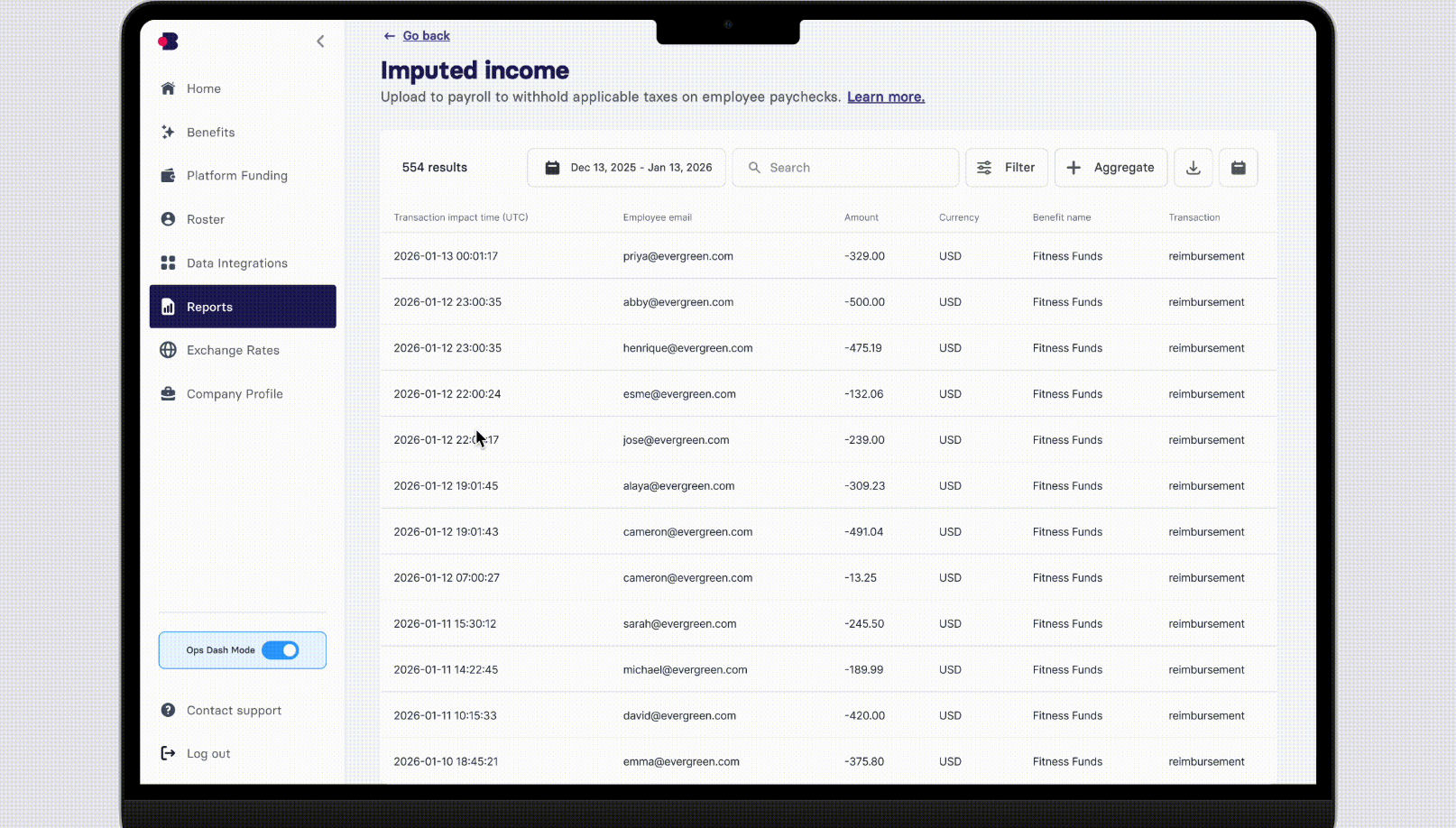
Underneath the data, an audit comes down to a set of plain questions. Take these into the review and answer each one with evidence from the checklist above.
On value:
On usage:
On cost:
On gaps:
The goal is to walk out of the review able to say, for every line in your budget, whether it stays, changes, or goes, and why.
An audit only matters if it changes something. Once you've worked through the checklist and questions, the findings usually point to three kinds of action.
Cut what isn't working. Benefits with low participation, low satisfaction, and no clear path to fixing either are candidates to retire. Redirect that budget rather than carrying dead weight into the next plan year.
Reallocate toward what employees use. Move dollars from underused offerings into the ones with high participation and high reported value. This is also the moment to consider whether your dollars are reaching real financial pressures. The same 2026 Benepass Benefits Benchmarking Report found that 39% of employers are expanding income-supplement benefits, covering essentials like food, commuting, and housing, to give employees support they feel immediately.
Consolidate vendors. Where the audit surfaced overlapping vendors or manual data transfers, fewer vendors reduce both cost and administrative time. According to the same report, 37% of Benepass clients now run pre-tax and lifestyle benefits on a single platform, and those that do see higher FSA utilization than employers running fragmented programs, 85% versus 79%. Consolidation does more than cut costs. It tends to lift the participation that your audit is trying to improve.
Flexible benefits make this redirection easier. When a meaningful share of your spend sits in flexible accounts rather than locked into single-use programs, you can shift dollars toward what employees actually value without renegotiating a stack of separate contracts.
A benefits administration audit earns its value through the decisions it makes possible: the benefit you retire, the budget you redirect, the vendors you consolidate. Every one of those decisions depends on something most programs struggle to produce on demand, which is clear visibility into where benefit dollars go and what employees actually use.
That visibility is hard to assemble when spend and participation data live across half a dozen vendor portals. It's straightforward when they live in one place. Benepass gives HR teams a single view of utilization and spend across pre-tax, lifestyle, and wellness benefits, so the next audit starts with the data already in front of you instead of a month of manual pulls.
See how Benepass gives HR teams the utilization and spend visibility that a benefits audit depends on, so you can tell exactly which benefits earn their place. Request a demo to walk through product features with your own program in mind.
