
Back to all blog posts

Employees are back in the office in bigger numbers than at any point since 2020. In December 2025, office occupancy across the buildings Kastle tracks hit a weekly average of 56.3%, the highest since early 2020.
But the commute looks different now. A hybrid employee might drive Monday, take the train midweek, and scooter the last mile on Thursday. A fixed monthly transit pass doesn't fit that pattern, and neither does a provider that only handles one way of getting to work.
If you're reviewing commuter benefits before open enrollment or a plan renewal, this guide compares seven providers on the criteria that shape day-to-day administration and employee adoption.
We evaluated each provider on four criteria:
For context, pre-tax commuter benefits under Section 132(f) are capped at $340 a month for transit and $340 a month for parking in 2026, per IRS Rev. Proc. 2025-32. Every provider below works within those limits. The differences show up in everything around them.
Best for: Hybrid and multi-state employers that want pre-tax commuter benefits, taxable commuting perks, and other benefits on one card
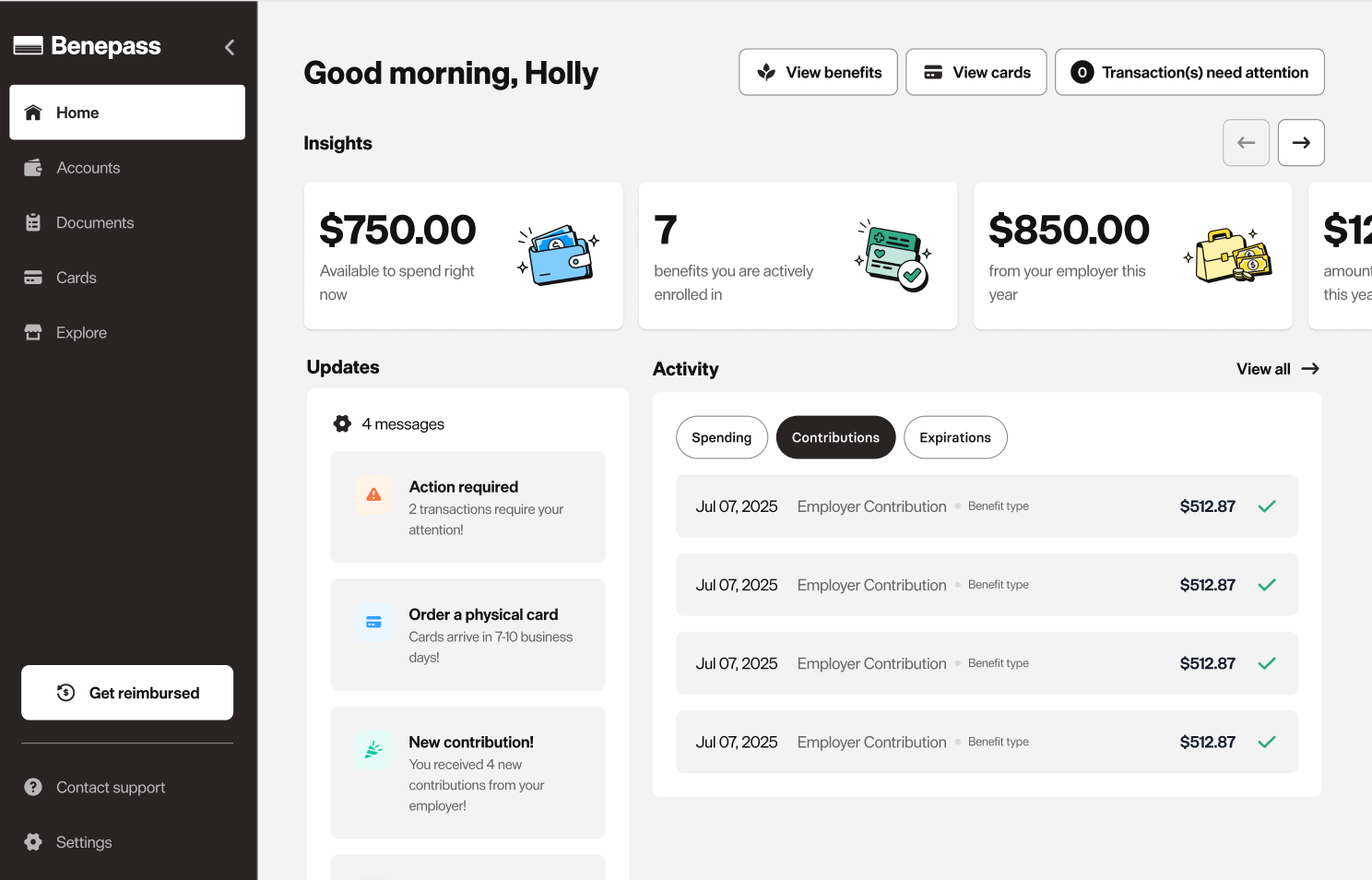
Overview: Benepass Commuter runs pre-tax commuter benefits alongside HSAs, FSAs, HRAs, and lifestyle spending accounts on one platform, card, and app. Employers can pair pre-tax transit and parking with a Commuter LSA that covers the options the tax code excludes.
Key features:
Social proof: After consolidating its pre-tax benefits on Benepass, On saves 3 to 5 hours of admin time a week across 500+ enrolled employees in 30+ states.
Limitations:
Best for: Employers that want a commuter-only platform with transit-focused tools
Overview: Jawnt is a dedicated commuter benefits platform built around the Jawnt Pass, a Visa debit card that works with Apple Wallet, Google Pay, and other mobile wallets.
Key features:
Limitations:

Best for: Employers that want commuter benefits inside a broad third-party administration suite
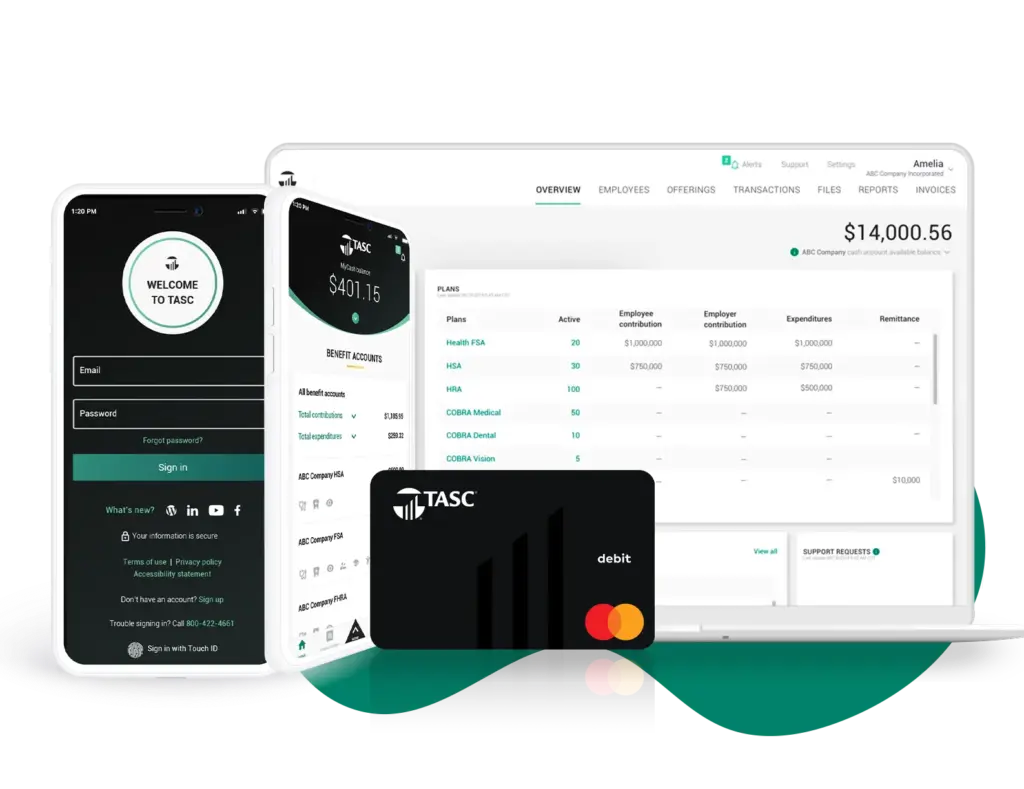
Overview: TASC offers commuter accounts for transit and parking as part of its Universal Benefit Account, which bundles dozens of benefit account types. TASC describes itself as the nation's largest privately held third-party benefits administrator, with 80,000+ clients.
Key features:
Limitations:
Best for: Employers already using HealthEquity for HSAs or other accounts
Overview: HealthEquity, which acquired WageWorks in 2019, offers commuter benefits through a commuter debit card, mailed transit passes, and direct payments to parking providers.
Key features:
Limitations:
Best for: Organizations that use Optum for health accounts and want commuter benefits from the same provider
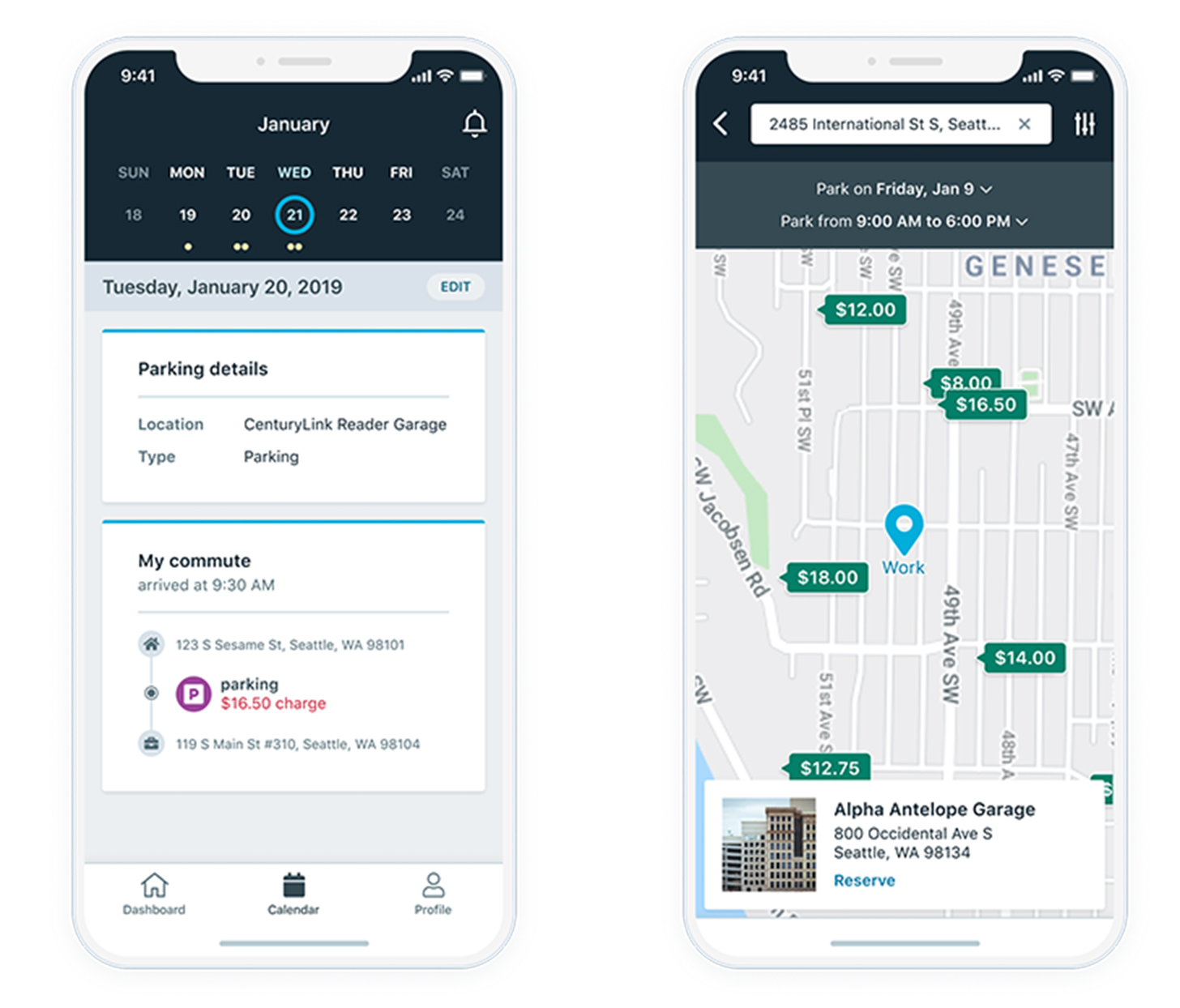
Overview: Optum offers commuter benefits for buses, trains, subways, ferries, vanpools, and parking through a reloadable prepaid card, transit passes, vouchers, or smart cards.
Key features:
Limitations:
Best for: Employers that want commuter-specific depth, including taxable micromobility coverage
Overview: Edenred Benefits offers commuter benefits through a prepaid Mastercard, plus smart passes, vouchers, direct pay, and cash reimbursement.
Key features:
Limitations:

7. WEX
Best for: Large employers that need broad payroll and benefits administration connections
Overview: WEX offers commuter benefits alongside HSAs, FSAs, and HRAs, using a prepaid benefits card that works with mobile wallets. If you're weighing WEX specifically, our roundup of WEX alternatives goes deeper.
Key features:
Limitations:

Most providers look alike on a feature list. These three areas show where the differences affect your team and your employees.
Pre-tax commuter benefits cover transit, vanpools, and parking. They don't cover bikes, scooters, gas, or most rideshare trips, and the qualified bicycle commuting reimbursement is permanently gone for tax years after 2025, according to IRS Publication 15-B.
That gap shows up at checkout. About 5% of Benepass commuter transactions are denied, typically when employees try to use pre-tax funds for rideshare, bikes, scooters, gas, or tolls, according to the Benepass 2026 Benchmarking Report. That's why 17% of employers in the same dataset now offer Commuter LSAs to cover those options. Ask each provider whether it supports taxable commuter coverage on the same card as pre-tax funds.
Commuter benefits are optional under federal law, but cities and states including New York City, New Jersey, Washington, DC, San Francisco, Seattle, Chicago, and Philadelphia require covered employers to offer them. Thresholds vary: Most start at 20 employees, while some start at 10 or 50.
Review the commuter benefits requirements by state and city for every location where you have employees, then confirm your provider can enroll workers by location and document compliance.
Commuter benefits run on monthly payroll deductions, so the integration determines how much manual work your team absorbs. Look for automatic enrollment from your HRIS, deduction files that update without manual uploads, and clear handling of mid-month elections and terminations. Ask how the provider handles employees who leave with unused balances: in the 2026 Benchmarking Report, 20% of commuter funds are forfeited at termination, so clear offboarding communication matters.
Start with where and how your employees commute:
Then weigh your current pain points. If you're juggling separate vendors for commuter, FSA, and HSA accounts, a single-platform provider cuts invoices, integrations, and employee logins. The same logic applies to commuter FSAs and other pre-tax accounts: one card makes switching simpler, because employees learn one app instead of several.
The best provider for your team is the one that matches how your employees commute, not the most familiar name on the list. A workforce that splits time between trains, cars, and bikes needs a program that flexes week to week without adding claims or vendors.
Benepass pre-tax accounts let employees choose transit, parking, biking, or carpooling on one card, combining pre-tax commuter accounts with Commuter LSAs for everything the tax code leaves out, so HR manages one vendor instead of many.
Book a demo to see how Benepass runs commuter benefits alongside your other pre-tax accounts, so employees can pay for any commute without submitting claims.
