
Back to all blog posts

The HSA market is rapidly expanding, and the provider you choose today will have a lasting impact on your employee benefits strategy. Benepass’s 2026 Benefits Benchmarking Report found that 61% of employers currently offer an HSA, underscoring how common these accounts have become in modern benefits design. For HR leaders, this rapid growth makes vendor selection a critical strategic decision.
To help you navigate this landscape, this guide compares five leading HSA providers, outlines key features to evaluate, and breaks down common pricing models so you can make a confident final decision.
An HSA provider is the institution or platform that administers your company's Health Savings Account program for enrolled employees. These accounts help employees set aside tax-free money for qualified medical expenses, including many everyday healthcare expenses not fully covered by a health insurance plan.
Your HSA provider shapes how efficiently your team manages benefits, how engaged employees are with their accounts, and how well you stay compliant with IRS rules:
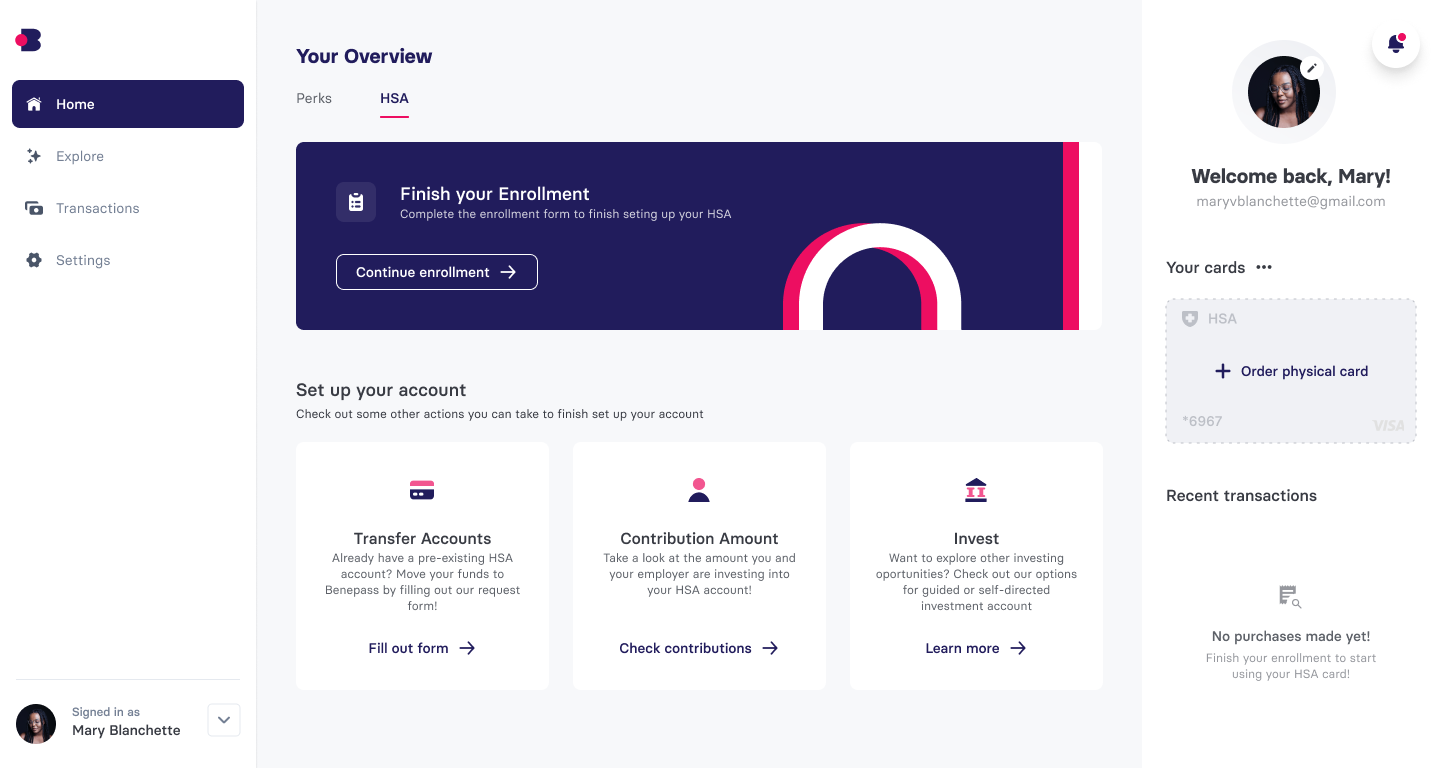
For organizations managing multiple benefit types, some modern HSA providers like Benepass offer unified platforms that consolidate HSAs, FSAs, LSAs, and commuter benefits into a single system. This reduces vendor complexity and consolidates reporting, giving employees one place to manage all their tax-advantaged accounts.
Choosing an HSA provider is about finding a partner that reduces manual work for HR and makes it easier for employees to use and understand their benefits. As you compare vendors, focus on the features that will have the biggest impact on day-to-day administration and long-term scalability. This includes:
Here's how leading platforms compare and what HR leaders should know before making a selection.
Best for: Mid-sized and enterprise employers looking to modernize benefits administration and drive employee engagement across multiple account types.
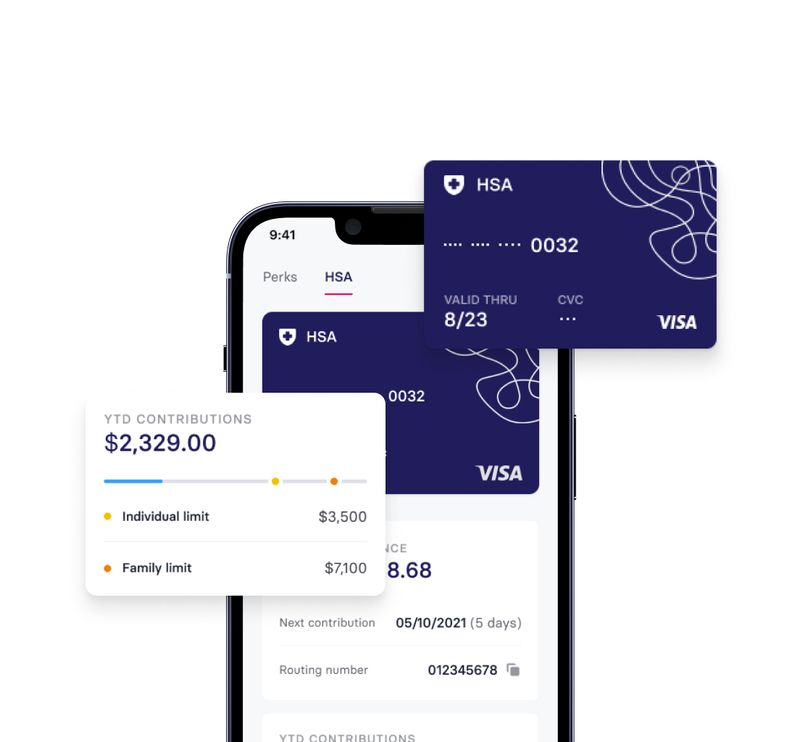
Benepass unifies HSAs, FSAs, LSAs, and commuter benefits on a single platform. This consolidation reduces vendor complexity for HR teams, gives employees a single wallet for all their spending, and automates enrollment and contributions via a direct payroll connection.
Over 25% of Benepass HSA holders use their accounts for HSA investment, compared to industry averages of 7–10%. That gap comes from a low barrier to investing, transparent pricing, and the ability to manage HSA funds directly in an integrated investment account experience. The platform holds a 97% customer satisfaction rate.
Best for: Compliance-sensitive organizations in regulated industries that need a proven partner with strong security and regulatory support.
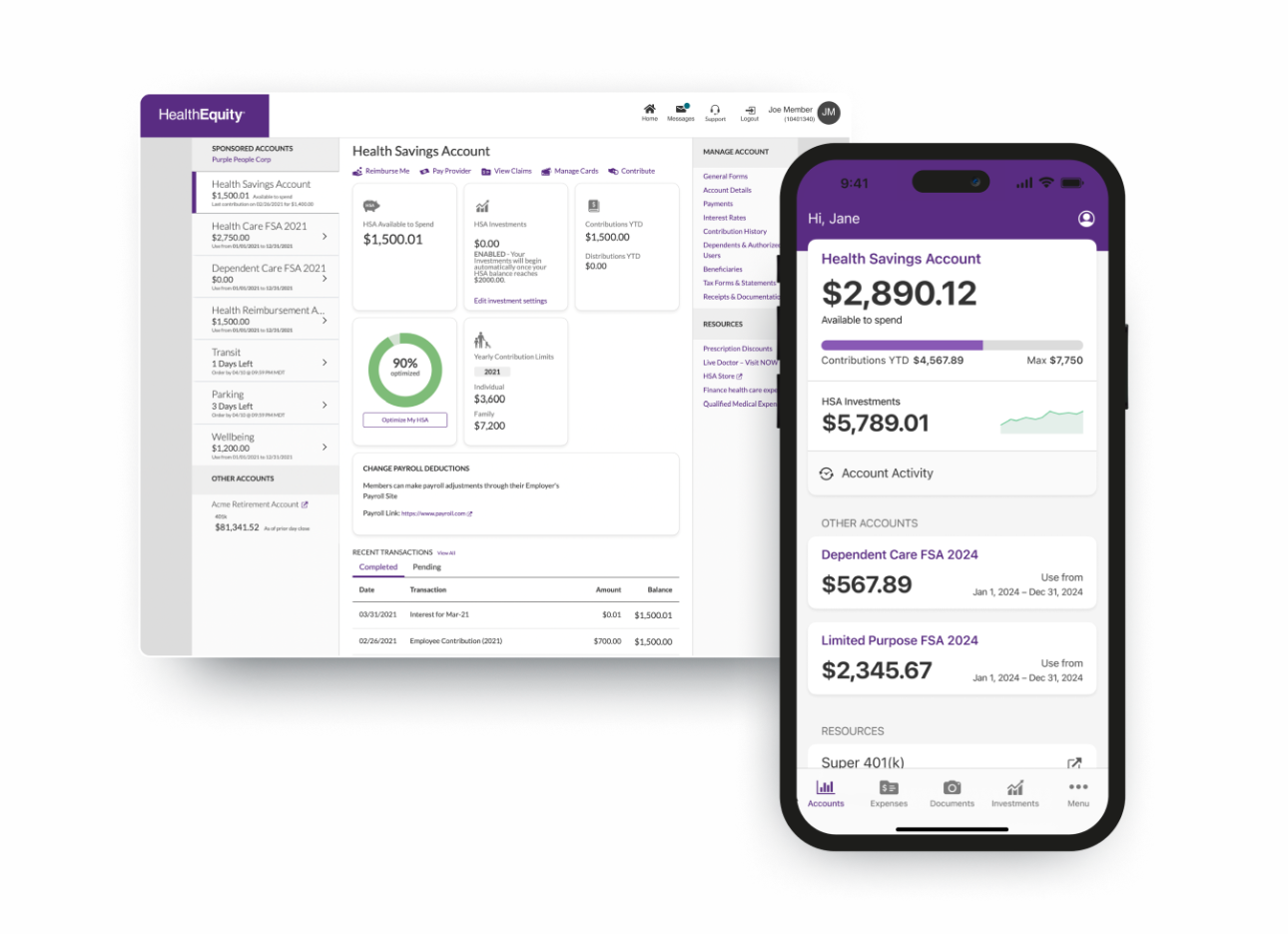
With 9.9 million HSAs and 17.1 million total accounts as of April 2025, HealthEquity brings the scale and infrastructure that large employers need. The platform covers HSAs, HRAs, FSAs, COBRA, and commuter benefits, making it a viable option for organizations that want a single administrator with deep compliance expertise.
HealthEquity integrates with existing health plans, retirement providers, and payroll systems, simplifying data flows and reporting. The platform includes 24/7 member services and the Engage360 education suite for benefits professionals.
Best for: Employers that prioritize brand trust and financial wellness alignment, particularly those already using Fidelity for retirement benefits.
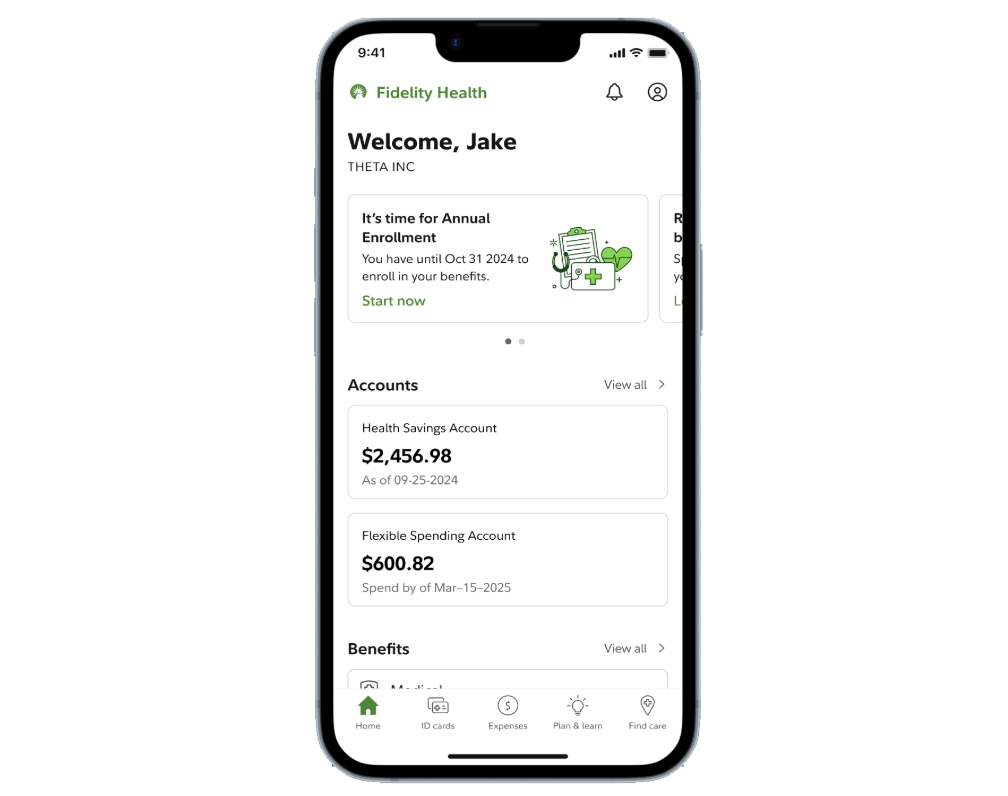
With more than 4.4 million HSA account holders and high marks from Morningstar's 2025 HSA provider assessments, Fidelity combines decades of investment expertise with a proven employee-facing experience. The no-fee structure makes it particularly attractive for cost-conscious employers.
The Fidelity HSA integrates with the Fidelity Plan Sponsor WebStation (PSW) employer dashboard and the NetBenefits employee platform, so HR teams can manage HSAs and retirement plans side by side. There are no account fees, no minimums to open, and a wide range of investment options from mutual funds to self-directed brokerage.
Best for: Mid-sized employers and tech-forward teams that prioritize flexible integrations and transparent pricing.
Lively's technology is built in-house, which means the platform offers real-time API connections, SFTP data feeds, and Single Sign-On without relying on legacy infrastructure. For HR teams that want to automate enrollment and contribution workflows without overhauling their existing tech stack, that flexibility is a key benefit.
Each employer is paired with a dedicated customer success team for onboarding and ongoing support. Employees reach member support via phone, email, or chat year-round.
Best for: Employers seeking a straightforward HSA partner backed by a stable financial institution.
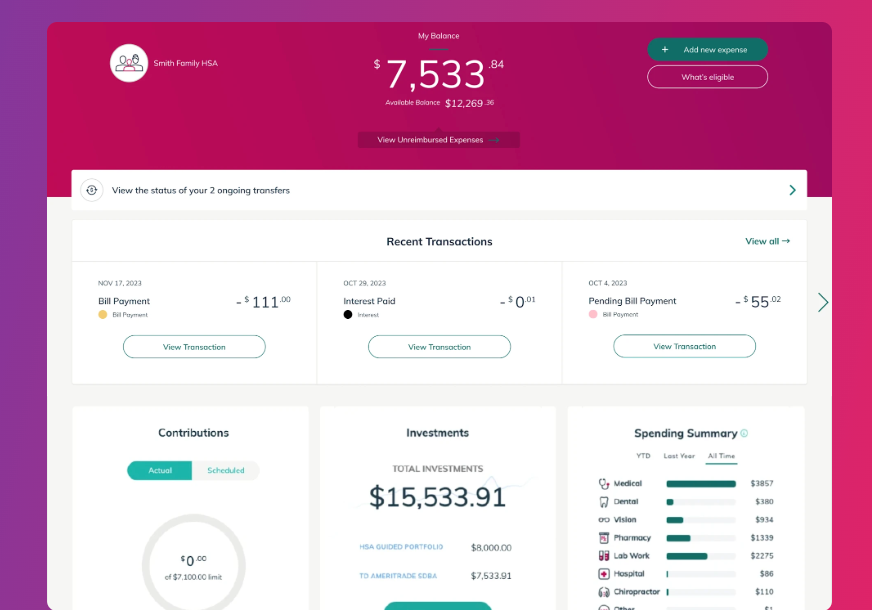
As a division of Webster Bank, N.A., HSA Bank combines more than two decades of experience with the financial stability of a nationally chartered bank. Because HSA Bank acts as both the custodian and the administrator, you avoid the confusion that comes with custodial changes, a common pain point when switching providers.
HSA Bank supports HSAs, FSAs, HRAs, LSAs, commuter benefits, and tuition reimbursement programs. The Health Benefits Debit Card provides 85-95% auto-substantiation rates, reducing paperwork and increasing employee participation.
For employers, choosing a provider with transparent pricing and low fees can make a meaningful difference in how employees prepare for future healthcare costs and out-of-pocket healthcare expenses. HSA provider pricing varies significantly, but the three most common models are:
Beyond the base fee, ask every vendor about transaction fees, investment management charges, debit card replacement costs, and whether customer support calls carry a per-incident fee.
Switching HSA providers is manageable with the right planning. Here's how a realistic timeline looks and what to address at each stage.
Start with a full audit of your current program before making any changes.
Most providers will require a defined set of employee and plan data.
Clear, timed communication reduces confusion and support volume.
Once you've narrowed your list to two or three vendors, the decision usually comes down to three factors: how well the platform fits your existing tech stack, whether the employee experience will drive actual utilization, and whether the total cost of ownership aligns with your budget.
Use this framework to compare your finalists:
The right HSA provider should reduce the day-to-day burden on your team. It should also give employees a reliable way to use their funds, and give you clear visibility into every dollar. That’s where most legacy providers fall short.
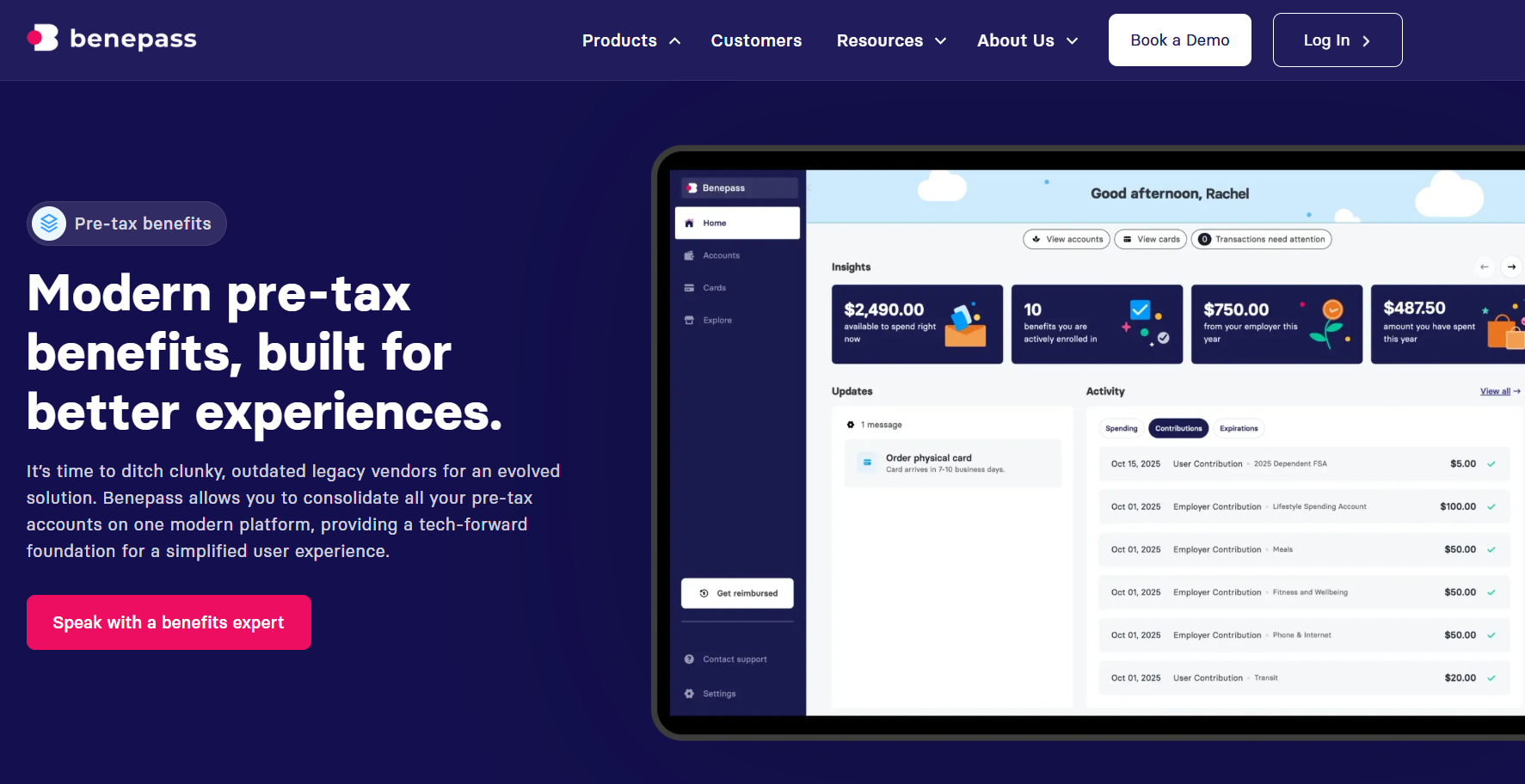
With Benepass, you can consolidate pre-tax accounts into a single unified system. If you’re managing separate vendors for HSAs, flexible spending accounts, and lifestyle benefits, this can simplify operations and improve the employee experience. The result is a benefits program you can confidently stand behind.
Schedule a demo to walk through the Benepass platform and explore what implementation looks like for your team.
